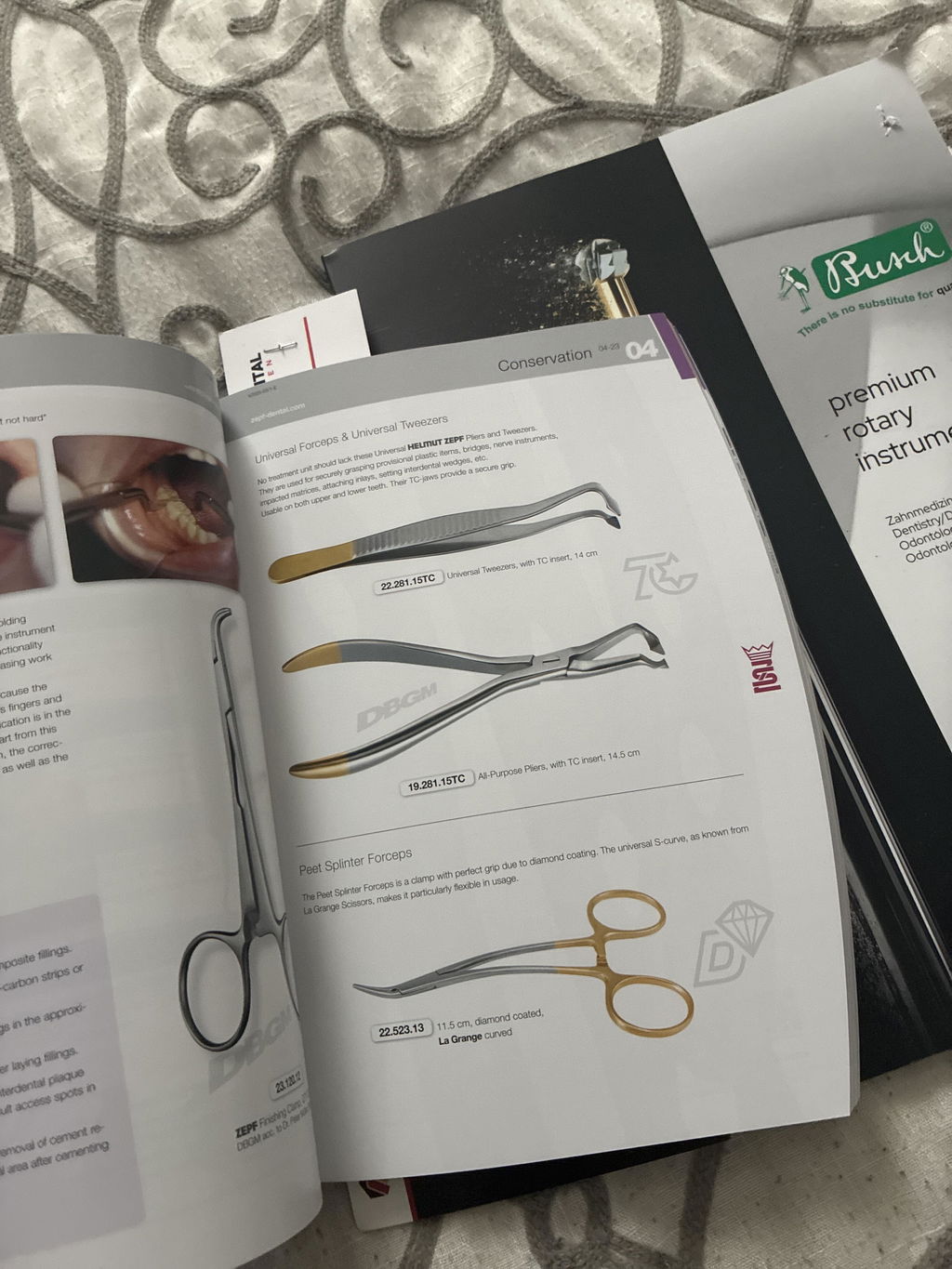
Dental Composite Instrument Sets
Dental composite instrument sets are the foundation of precise, efficient restorative dentistry, giving clinicians the right tools to place, sculpt, and finish composite resin with consistent accuracy. Whether you are working on anterior aesthetics or posterior restorations, having a purpose-built set ensures every step of the procedure is supported by the correct instrument geometry.
What Are Dental Composite Instrument Sets?
Dental composite instrument sets typically include a range of hand instruments designed for condensing, shaping, and contouring composite materials. Common components include composite pluggers, burnishers, sculptors, and carvers — each engineered for a specific stage of the placement workflow. High-quality sets are manufactured from materials such as titanium nitride-coated stainless steel or anodized aluminum, offering resistance to composite adhesion and long-term durability through repeated sterilization cycles.
Key Benefits for Dental Professionals
- Improved workflow efficiency: A complete set eliminates the need to source individual instruments, streamlining chairside procedures.
- Consistent results: Matched instrument profiles support uniform layering and sculpting techniques across cases.
- Durability: Professional-grade sets are built to withstand autoclave sterilization without compromising tip integrity or surface coatings.
- Ergonomic design: Balanced handles reduce hand fatigue during extended restorative appointments.
Choosing the Right Set
When selecting dental composite instrument sets, consider the range of procedures you perform most frequently. General restorative practices may benefit from a versatile all-in-one kit, while specialists focused on cosmetic dentistry may prefer sets optimized for fine contouring and polishing. Evaluate handle diameter, tip material, and coating type to match your clinical preferences and sterilization protocols.

FAQ
Are dental composite instrument sets autoclave-safe? Most professional-grade sets are designed for repeated autoclave sterilization; always confirm with the manufacturer's guidelines.
How many instruments are typically included in a set? Sets commonly range from five to twelve instruments, covering the core stages of composite placement and finishing.
Further reading: 2026 Guide to Dental Composite Instruments: Choosing the Right Tools for Placeme
Part of the Composite & Direct Restoration hub.
Technical references: Composite Instrument Shapes Guide · Restorative Instrument Glossary

-
Helmut Zepf GmbH
CompoSMOOTH Composite Instrument Kit | Helmut Zepf Mfg. No. 19.202.00
Regular price $599.99Unit price -