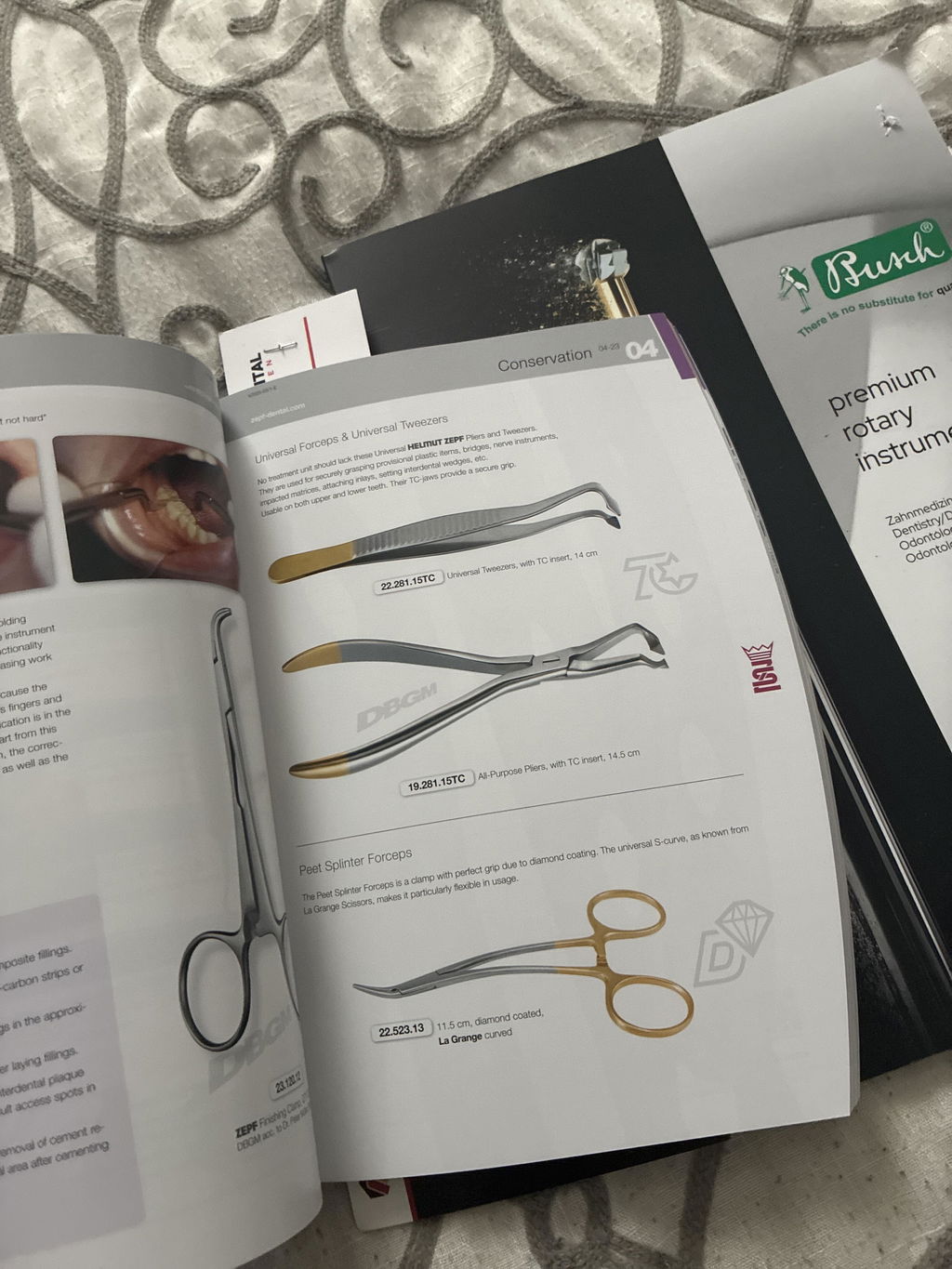
Dental Retractor for Intraoral Photography
A Dental Retractor is an essential instrument for achieving consistent, high-quality intraoral photographs that support accurate diagnosis, treatment planning, and patient communication. Designed to gently hold the lips and cheeks away from the teeth and soft tissues, a well-chosen Dental Retractor provides unobstructed access to all dental arches, enabling clinicians and dental photographers to capture clear, reproducible images every time.
Why Use a Dental Retractor for Intraoral Photography?
Intraoral photography demands precision. Without proper tissue management, shadows, reflections, and obstructions compromise image quality and clinical value. A high-quality Dental Retractor eliminates these challenges by stabilising soft tissue, improving mirror placement, and reducing patient movement during photography sessions. The result is sharper images that better document clinical conditions and enhance the patient consultation experience.
Key Features to Consider
- Material: Retractors are commonly available in autoclavable stainless steel or single-use plastic, each suited to different clinical workflows and infection control protocols.
- Shape and Size: Anterior, posterior, and full-arch designs accommodate different photographic angles and patient anatomies.
- Ergonomic Design: Smooth edges and anatomically contoured forms minimise patient discomfort during extended photography sessions.
- Compatibility: Ensure the retractor integrates seamlessly with your mirror system and camera setup for optimal results.
Clinical Applications
A Dental Retractor is used across a broad range of clinical scenarios, including orthodontic documentation, cosmetic dentistry case studies, restorative treatment records, and implant planning photography. Consistent use of the correct retractor type ensures standardised image series that are directly comparable over time.

FAQ
What types of dental retractors are available for intraoral photography? Common types include lip retractors, cheek retractors, and combination designs that manage both simultaneously, available in adult and paediatric sizes.
Are dental retractors reusable? Many stainless steel versions are fully autoclavable and designed for multiple uses, while disposable plastic options are available for single-use protocols.
How do I choose the right retractor? Consider patient size, the photographic view required, and your sterilization workflow to select the most appropriate option.
Manufacturer literature: Photography Cheek Retractor flyer (PDF) — more in our Surgical Instrument Library.

Deutsche Dental Technologien
ZEPF Cheek Retractor for Intraoral Photography | Helmut Zepf No. 37.457.00
Regular price $89.99Unit price-
Deutsche Dental Technologien
ZEPF Cheek Retractor 1/2 Right for Intraoral Photography Onyx Coated | Helmut Zepf No. 37.457.02TI
Regular price $169.99Unit price -
Deutsche Dental Technologien
ZEPF Cheek Retractor 1/2 Right for Intraoral Photography | Helmut Zepf No. 37.457.02
Regular price $89.99Unit price -
Deutsche Dental Technologien
ZEPF Cheek Retractor 1/2 Left for Intraoral Photography Onyx Coated | Helmut Zepf No. 37.457.01TI
Regular price $169.99Unit price -
Deutsche Dental Technologien
ZEPF Cheek Retractor 1/2 Left for Intraoral Photography | Helmut Zepf No. 37.457.01
Regular price $89.99Unit price -
Deutsche Dental Technologien
ZEPF Cheek Retractor for Intraoral Photography with Onyx Coating | Helmut Zepf No. 37.457.00TI
Regular price $169.99Unit price