Helmut Zepf GmbH
London-College Plier (Cotton Pliers), #3, Serrated Long Tips, 15 cm | Helmut Zepf No. 22.011.03
Regular price $19.99Unit price-
Helmut Zepf GmbH
Meriam Tweezers (Cotton Pliers), 16 cm, Serrated, with Cross Grooves | Helmut Zepf No. 22.051.03
Regular price $19.99Unit price -
Helmut Zepf GmbH
Regular price $42.99Unit price -
Helmut Zepf GmbH
Regular price $29.99Unit price -
Helmut Zepf GmbH
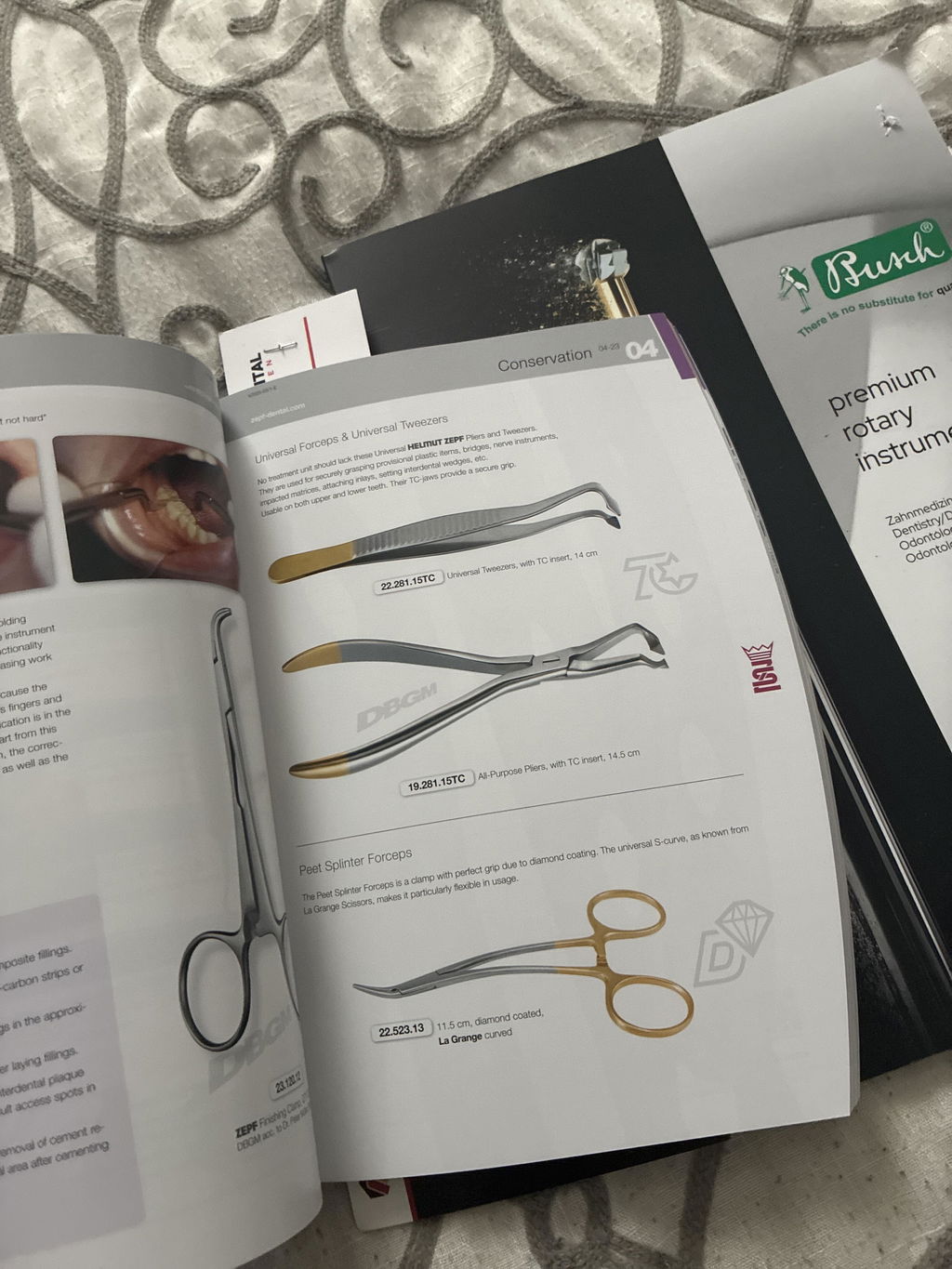
Universal Tweezers (Cotton Pliers), 14 cm, Tungsten Carbide, Insert | Helmut Zepf No. 22.281.15TC
Regular price $129.99Unit price -
Helmut Zepf GmbH
Regular price $149.99Unit price -
Helmut Zepf GmbH
Regular price $99.99Unit price -
Helmut Zepf GmbH
Tweezers with Stop-Pin (Cotton Pliers), Ergonomic 15 cm, Serrated Tip | Helmut Zepf No. 22.025.03
Regular price $29.99Unit price -
Helmut Zepf GmbH
London College Plier (Cotton Pliers), Modified, Serrated, 15 cm, #3 | Helmut Zepf No. 22.024.03
Regular price $29.99Unit price -
Helmut Zepf GmbH
London-College Cotton and Dressing Pliers, 15 cm, with Diamond Points | Helmut Zepf No. 22.014.03
Regular price $139.99Unit price


Which Dental Tweezer Do You Need?
Choose the pattern first, then the tip finish for the task (serrated for grip, diamond-coated or tungsten carbide for a firmer hold); every tweezer in the collection is linked once below by its Zepf number.
London-College pliers
| Zepf No. | Pattern or size | Tips |
|---|---|---|
| 22.011.03 | London-College #3, 15 cm | Serrated, long |
| 22.024.03 | London College #3, modified, 15 cm | Serrated |
| 22.024.04 | London College dressing plier, modified, flat, higher pretension, short pin, 15 cm | Serrated |
| 22.014.03 | London-College cotton and dressing pliers, 15 cm | Diamond points |
| 22.031.08 | London-College dressing plier #8, curved, 15 cm | Longitudinal and transverse groove |
Meriam, stop-pin and universal tweezers
| Zepf No. | Pattern or size | Tips |
|---|---|---|
| 22.051.03 | Meriam tweezers, 16 cm | Serrated, cross grooves |
| 22.025.03 | Tweezers with stop-pin, ergonomic, 15 cm | Serrated |
| 22.025.03D | Tweezers with stop-pin, ergonomic, 15 cm | Diamond coated |
| 22.281.15TC | Universal tweezers, 14 cm | Tungsten carbide insert |
Strip holding tweezers
| Zepf No. | Pattern or size | Tips |
|---|---|---|
| 22.998.14 | Strip Grip® by Dr. H. Dietrich, gold handle, pack of 2 | Diamond coated |
What Are Dental Tweezers Used For?
Dental tweezers — also called cotton pliers — are used to grasp, place and retrieve small items in the mouth: cotton pellets and absorbent points, matrix bands and wedges, gutta-percha, and small restorative or prosthetic components. In restorative dentistry they handle matrix bands and composite components, in endodontics absorbent points and gutta-percha, and in prosthodontic and orthodontic work they support try-in and adjustment procedures. Tips come in serrated and smooth styles, so the right dental tweezer depends on the clinical task.
Why Choose a Quality Dental Tweezer?
Professionals rely on a high-quality Dental Tweezer for its ability to grasp delicate materials — from cotton pellets and absorbent points to small restorative components — without slipping or causing unnecessary trauma. The precision of the tips, the balance of the handle, and the quality of the metal all contribute directly to procedural accuracy and patient comfort.
Key Features to Look For
- Tip geometry: Serrated or smooth tips suited to specific clinical tasks
- Material quality: Stainless steel construction for durability, corrosion resistance, and autoclave compatibility
- Handle design: Textured or contoured grips for a secure hold during extended procedures
- Length and balance: Optimized for intraoral reach without sacrificing operator control
Clinical Use
The Dental Tweezer is used across a broad range of dental disciplines. In restorative dentistry, it assists with placing and retrieving matrix bands, wedges, and composite components. In endodontics, it handles absorbent points and gutta-percha with exactness. Prosthodontic and orthodontic settings also rely on it for try-in and adjustment procedures.
Care and Reconditioning
Clean, disinfect and sterilize tweezers between patients following the manufacturer’s validated reprocessing instructions and the symbols on each product’s packaging. Our Dental Instrument Reprocessing & Sterilization Guide covers the general workflow for Helmut Zepf hand instruments.
Compare With
Related Helmut Zepf collections: Cotton & College Pliers, Universal Dental Tweezers, Dental Diagnostic Instruments, Dental Mouth Mirrors, Dental Explorers, and Tissue Forceps. For instrument names and terminology, see the Hygiene Instrument Comparison Chart and the Dental Hygiene Instrument Glossary.

FAQ
Are dental tweezers autoclavable? Most dental tweezers in this collection are manufactured from medical-grade stainless steel and are designed to withstand standard autoclave sterilization cycles.
How do I select the right tip style? Tip selection depends on the clinical task. Serrated tips offer grip for fibrous materials, while smooth tips are preferred for delicate tissue or thin restorative components.
Who manufactures these dental tweezers? Every tweezer in this collection is manufactured by Helmut Zepf in Germany and sold in the U.S. by Deutsche Dental Technologien — see our About Us page to learn more about both companies.
Further reading: Dental Tweezers: The Complete Guide to Types, Uses, and Premium German Options