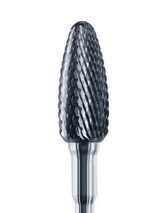
Dental Lab Burs - Model Casting Technique
Dental Lab Burs - Model Casting Technique represents one of the most essential skillsets in modern dental laboratory work, combining precision tooling with refined casting methodology to achieve consistently accurate results. Whether you are preparing dies, trimming models, or finishing cast restorations, selecting the right bur and applying the correct technique is fundamental to the quality of the final prosthetic outcome.
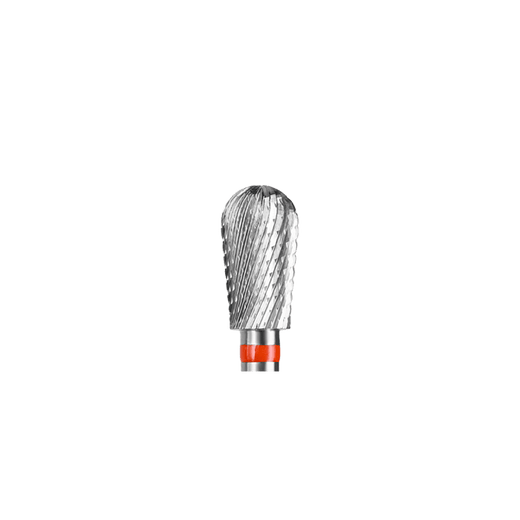

Busch & Co. GmbH
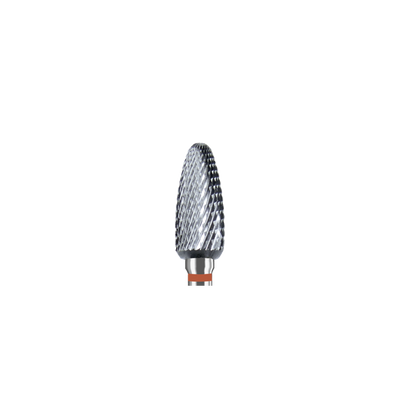
Busch Shorties Carbide Flame Bur | Busch No. S 430X 023 – HP | Pack of 2
Regular price $29.99Unit price-
Busch & Co. GmbH
Busch Shorties Carbide Flame Bur | Busch No. S 430FX 023 – HP | Pack of 2
Regular price $32.99Unit price -
Busch & Co. GmbH
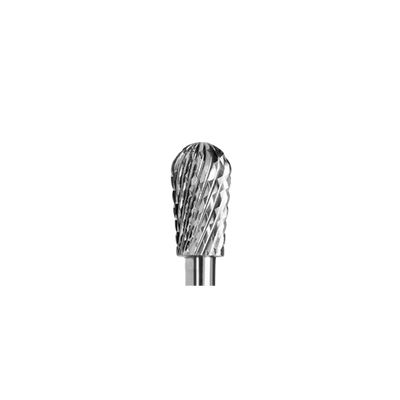
Busch Shorties Carbide Cylinder Round Bur | Busch No. S 426X 014 – HP | Pack of 2
Regular price $29.99Unit price -
Busch & Co. GmbH
Busch Shorties Carbide Round Bur | Busch No. S 421X 014 – HP | Pack of 2
Regular price $29.99Unit price -
Busch & Co. GmbH
Busch Shorties Carbide Round Bur | Busch No. S 421FX 023 – HP | Pack of 2
Regular price $32.99Unit price -
Busch & Co. GmbH
Busch Goat Hair Brush | Busch No. 9738 220 – HP | Pack of 6
Regular price $22.99Unit price -
Busch & Co. GmbH
Busch Goat Hair Brush | Busch No. 9738 140 – HP | Pack of 6
Regular price $22.99Unit price -
Busch & Co. GmbH
Busch Flame Polisher | Busch No. 9706G 055 – White, Coarse Grit – HP | Pack of 6
Regular price $20.99Unit price -
Busch & Co. GmbH
Busch Wheel Polisher | Busch No. 9702G 145 – White, Coarse Grit – HP | Pack of 6
Regular price $20.99Unit price -
Busch & Co. GmbH
Busch Chungking Bristle Brush | Busch No. 9636 190 | Pack of 12
Regular price $28.99Unit price -
Busch & Co. GmbH
Busch Disc Polisher | Busch No. 9603G 220 – White, Coarse Grit | Pack of 12
Regular price $18.49Unit price -
Busch & Co. GmbH
Busch Disc Pre-Polisher | Busch No. 9603 220 – Matte, Brown, Medium | Pack of 12
Regular price $18.49Unit price -
Busch & Co. GmbH
Busch Wheel Polisher | Busch No. 9602G 220 – White, Coarse Grit | Pack of 12
Regular price $18.49Unit price -
Busch & Co. GmbH
Busch Titanium Fiber Cutting Disc | Busch No. 438T 260 – 0.4 mm | Pack of 6
Regular price $24.99Unit price -
Busch & Co. GmbH
Busch Fiber Cut-Off Disc | Busch No. 438 400 – 0.5 mm | Pack of 6
Regular price $27.99Unit price -
Busch & Co. GmbH
Busch Fiber Cut-Off Disc | Busch No. 438 220 – 0.2 mm | Pack of 6
Regular price $22.99Unit price


Reference pages already linked from this collection, in one place.
Which Model Casting Lab Bur Do You Need?
Start with the step in the casting workflow, then open the matching sub-collection; the complete list of Busch numbers by instrument type follows further down the page.
Carbide burs and cutters6 items
| Category | What it covers |
|---|---|
| Dental Lab Carbide Bur Collection | HP carbide burs and cutters: round, fissure, inverted cone, bud, flame, pear and more |
| Double Cut (Crosscut) Carbide Cutters | carbide cutters in coarse to super-fine double-cut toothings |
| Carbide Flame Cutters for Dental Labs | flame-shaped carbide cutters |
| Left-Handed Carbide Cutters | left-hand cut carbide cutters |
| MIDI Carbide Burs | compact MIDI carbide burs |
| SHORTIE Carbide Burs | short-shank SHORTIE carbide burs |
Diamond burs2 items
| Category | What it covers |
|---|---|
| LongLife Sintered Diamond Lab Burs | sintered diamond burs and disc |
| HP Dental Lab Diamond Burs | HP diamond lab burs |
Abrasives, wheels and cutting-off discs5 items
| Category | What it covers |
|---|---|
| Abrasives for Medium-Hard Metal Alloys | mounted abrasives for alloys |
| Abrasive Discs, Stones & Wheels | abrasive discs, stones and wheels |
| Corundum Abrasive Wheels | pink unmounted wheels |
| Dental Laboratory Lathe Wheels | lathe wheels |
| Fiber Cutting-Off Discs | fiber-reinforced cutting-off discs |
Pre-polishing and polishing5 items
| Category | What it covers |
|---|---|
| Pre-Polishers for Model Casting | steel wheel pre-polisher for chrome-cobalt |
| Universal Laboratory Pre-Polishers | universal pre-polishers |
| 2 Step Laboratory Polishers for Metal Alloys | two-step alloy polishers |
| Dental Lab Polishers | laboratory polishers |
| Polishing Soft Buff Wheels | brushes, buffs and soft wheels |
Understanding Model Casting in the Dental Lab
The model casting process demands a thorough understanding of material behavior, rotary instrument selection, and controlled pressure application. Dental lab burs are engineered in a variety of shapes — including round, fissure, flame, and wheel — each designed to serve a specific function during the casting and finishing workflow. Using the appropriate bur for each stage minimizes material waste, reduces the risk of model distortion, and preserves the integrity of critical anatomical details.
Choosing the Right Burs for Casting Work
When working with cast metal frameworks, stone models, or resin-based materials, the choice of bur directly influences the efficiency of the Dental Lab Burs - Model Casting Technique. Carbide and diamond burs are commonly employed depending on the material hardness and the degree of surface refinement required. Proper RPM settings, adequate cooling, and consistent hand pressure are equally important factors in achieving a clean, accurate result.
Best Practices for Precision and Longevity
- Always match bur type to the specific material being worked on
- Maintain recommended rotational speeds to avoid overheating
- Inspect burs regularly and replace worn instruments promptly
- Use light, intermittent strokes to preserve model detail
- Store burs properly to maintain sharpness and prevent contamination
Find a Model Casting Instrument by Busch Number
Every product currently in this collection, grouped by instrument type. Open a group and select a Busch number to see the full specification.
Carbide burs, saws and wheels (99)25 items
Carbide cutters (51)13 items
MIDI carbide burs (18)5 items
SHORTIE carbide burs (32)8 items
LongLife sintered diamond burs (13)4 items
Abrasives and wheels (54)14 items
Polishers and pre-polishers (15)4 items
Brushes, buffs, cloth and paste (8)2 items
Clinical Use
The instruments in this collection follow the model casting (cast partial denture framework) workflow in the laboratory: carbide cutters and burs for trimming and contouring castings, fiber-reinforced cutting-off discs for cutting and separating on metal alloy castings, mounted abrasives and wheels for grinding, and pre-polishers, polishers, brushes and buffs for the final finish. Nearly all items have an HP shank for the straight handpiece.
Care and Reconditioning
Clean, disinfect and sterilize the burs, abrasives and polishers between uses following the manufacturer instructions, and replace an instrument once it loses cutting or polishing performance or shows damage. Our Dental Bur Reprocessing & Sterilization Guide covers the workflow for Busch rotary instruments; maximum speeds are in the Dental Bur Speed Chart.
Compare With
Related Busch collections: Dental Lab Burs for Metal Alloy Technology, Dental Lab Burs for Model Making, Dental Lab Burs for Plastics Technology, Dental Lab Abrasives for Hard Metal Alloys, and Busch Dental Lab Bur Collection.
Reference resources: Bur Comparison Chart · Speed Chart · Color Coding & ISO Guide · Glossary

FAQ
What types of burs are most commonly used in model casting?
Carbide and diamond burs are the most widely used in dental lab casting work, selected based on the material and the level of surface detail required.
How does the Dental Lab Burs - Model Casting Technique improve restoration quality?
Applying the correct technique ensures dimensional accuracy, smooth surface finishes, and reduced finishing time, all of which contribute to a better-fitting, higher-quality restoration.
How often should dental lab burs be replaced?
Burs should be inspected after each use and replaced when signs of wear, dulling, or damage are observed to maintain consistent results.