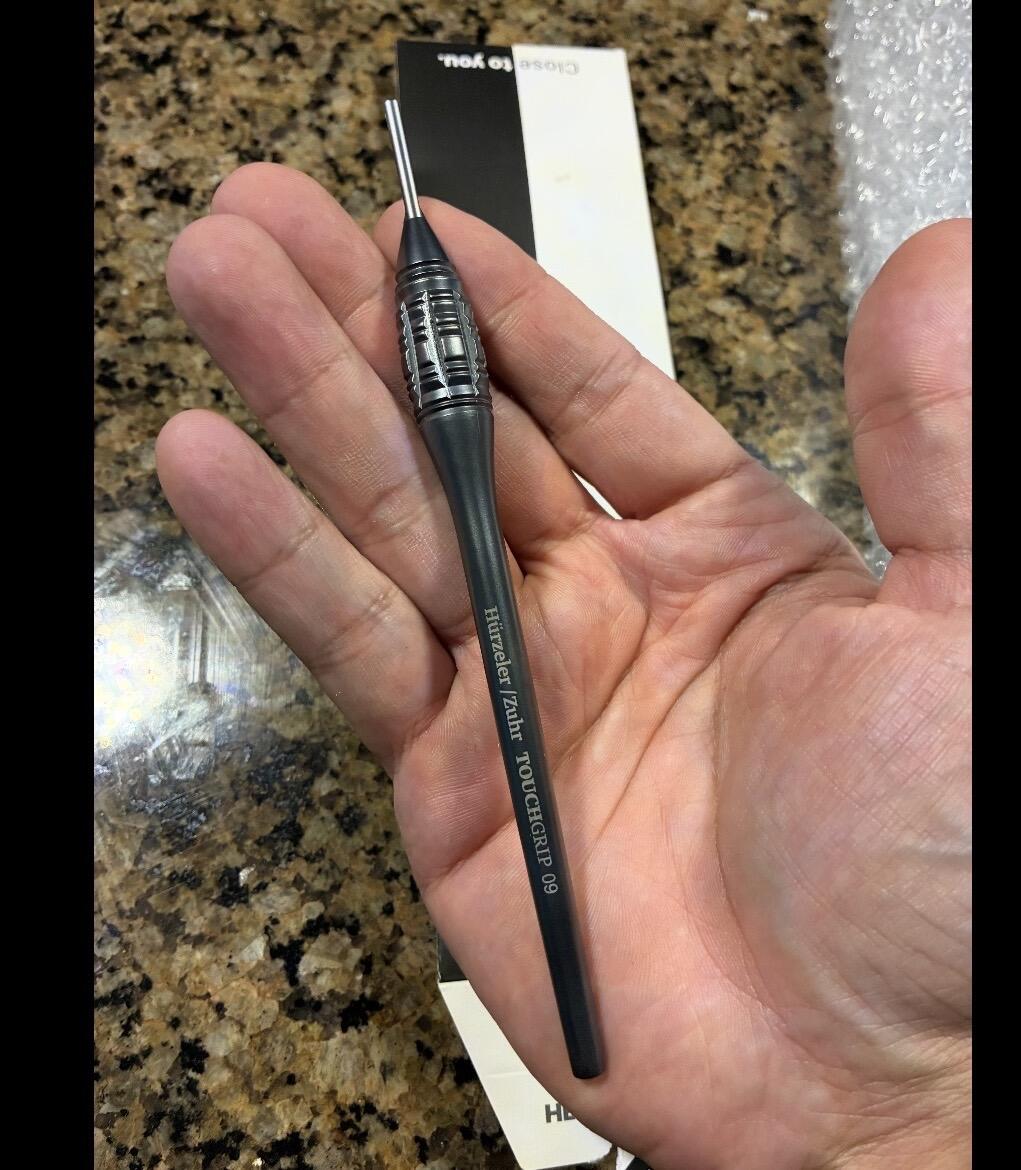
Stiller Sinus Elevator - Blunt, 2.5 mm, Bendable, Green ZEPF-Line Titanium Handle, Double-Ended, 19.5 cm | Helmut Zepf No. 41.822.02
The Sinus Elevator by Helmut Zepf — model No. 41.822.02 — is a precision-engineered double-ended curette designed for demanding sinus elevation procedures in clinical dentistry. Featuring a blunt 2.5 mm working tip, this instrument allows controlled, atraumatic tissue manipulation while maintaining tactile sensitivity throughout the procedure.
Key Features
- Instrument Type: Stiller Sinus Elevator Curette — Blunt
- Tip Diameter: 2.5 mm
- Configuration: Double-ended design for versatile intraoral access
- Handle: Bendable ZEPF-Line Titanium handle in Green — lightweight, autoclavable, and ergonomically optimized
- Total Length: 19.5 cm
- Material: Titanium handle with high-quality working ends
Why Choose This Sinus Elevator?
The ZEPF-Line series from Helmut Zepf GmbH reflects decades of German craftsmanship and engineering excellence. This Sinus Elevator is built to withstand repeated sterilization cycles without compromising its structural integrity or surface finish. The bendable titanium handle allows clinicians to customize instrument angulation to suit individual patient anatomy and operator preference, reducing hand fatigue during extended procedures.
The blunt 2.5 mm tip of this Sinus Elevator is ideally suited for gentle membrane elevation during lateral window or crestal approach sinus augmentation cases, minimizing the risk of membrane perforation.
1-Year Warranty
This Helmut Zepf instrument is covered by a 1-year warranty against defects in materials and workmanship from the date of delivery.
60-Day Returns — Any Reason, Even If Used
Put this instrument to work in your practice. If it is not right for you, return it within 60 days of delivery for a full refund — for any reason, even if it has been used.

FAQ
What procedures is this Sinus Elevator suitable for? It is designed primarily for sinus floor elevation procedures, including lateral window and transcrestal approaches, where atraumatic membrane management is essential.
Is the titanium handle autoclavable? Titanium handles are generally compatible with standard steam sterilization protocols; always follow your facility's validated sterilization guidelines.
What does double-ended mean for this instrument? Double-ended means the instrument features two working ends, allowing the clinician to access different angulations or surfaces without switching instruments.
Compare With
| Brand | Stiller Sinus Elevator — blunt, 2.5–4.0 mm, bendable Ti – Base Designation |
|---|---|
| Karl Schumacher | C-41.822.01 / C-41.822.02 / C-41.822.03 |
Base pattern designations shown. Same clinical pattern, not identical manufacture — see our Surgical Instrument Comparison Chart.
Manufacturer literature: STILLER Sinus Lift Set flyer (PDF) — more in our Surgical Instrument Library.
Backed by our Helmut Zepf Warranty — lifetime on extraction and explantation forceps, one year on every other Zepf instrument. Full terms and how to make a claim are on the Warranty page.

Stiller Sinus Elevator - Blunt, 2.5 mm, Bendable, Green ZEPF-Line T...