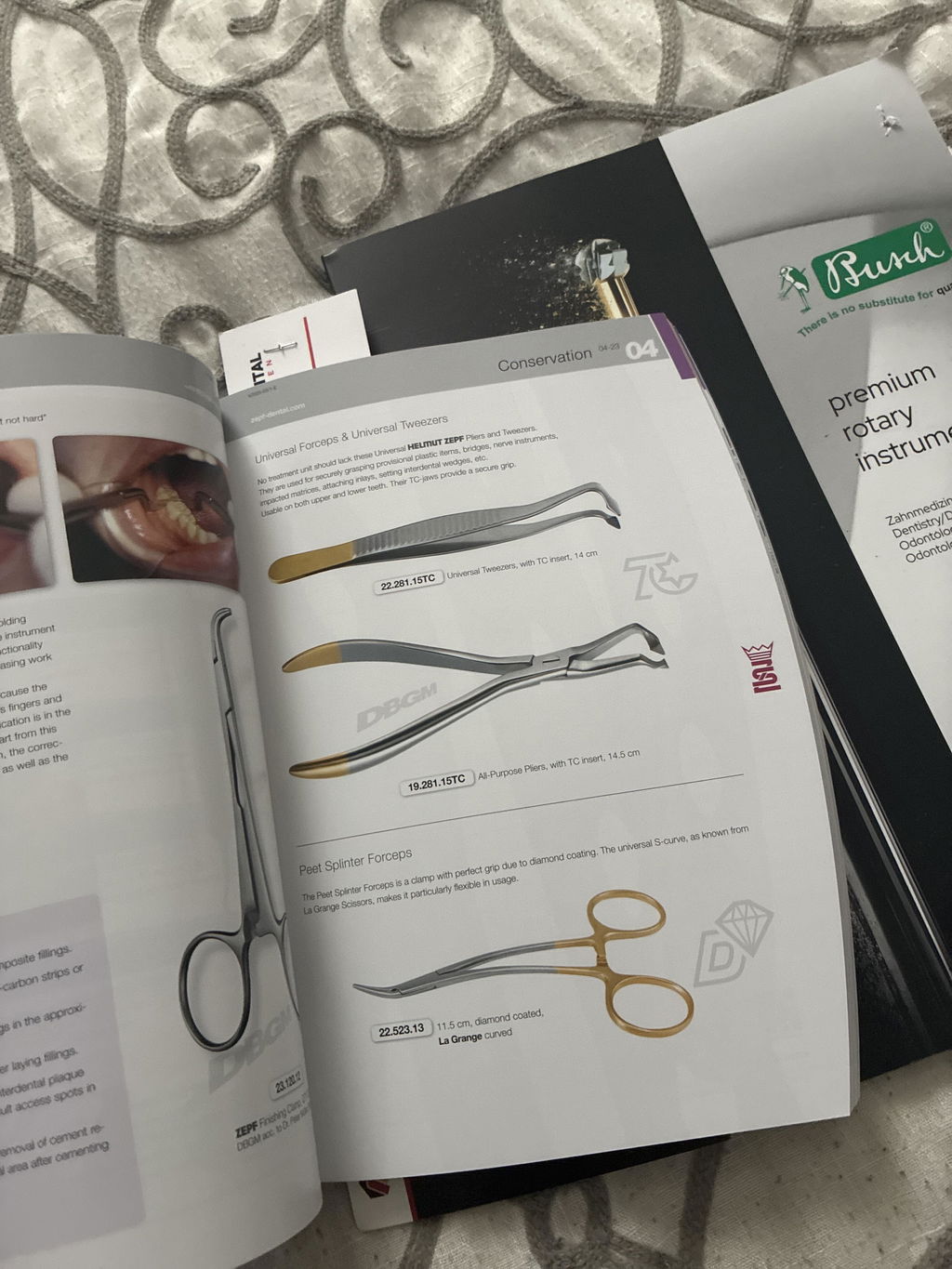
Kelly Hemostatic Forcep Collection
The Kelly Hemostatic Forcep is a foundational instrument in surgical practice, designed to clamp blood vessels and soft tissue during procedures requiring precise hemorrhage control. Whether used in general surgery, gynecology, or wound care, this instrument delivers the reliable gripping performance that medical professionals depend on in critical moments.
What Is a Kelly Hemostatic Forcep?
A Kelly Hemostatic Forcep is characterized by its half-serrated jaw pattern, which allows for secure tissue clamping without crushing delicate structures. Typically available in straight and curved configurations, these forceps offer versatility across a wide range of clinical environments, from operating theaters to emergency rooms.
Key Features
- Half-serrated jaws for secure, controlled clamping
- Available in straight and curved jaw styles
- Ergonomic ring handles for comfortable, extended use
- Durable stainless steel construction for repeated sterilization
- Consistent ratchet locking mechanism for stable tissue hold
Clinical Applications
The Kelly Hemostatic Forcep is widely used across surgical specialties. Its primary function is hemostasis — the control of bleeding — but it is also employed for grasping, clamping, and manipulating soft tissue and tubing. The instrument's half-serrated jaw design differentiates it from fully serrated alternatives like the Rochester-Pean forcep, making it well suited for procedures where tissue integrity must be maintained.
Instrument Care and Sterilization
All instruments in this category are designed to withstand standard autoclave sterilization cycles. Proper cleaning, inspection, and storage after each use will extend instrument longevity and maintain performance standards required in sterile surgical environments.
History: Who Invented the Kelly Hemostatic Forcep?
The instrument is named for Howard Atwood Kelly (1858–1943), one of the "Big Four" founding professors of Johns Hopkins Hospital alongside William Osler, William Halsted, and William Welch. Appointed chair of gynecological surgery in 1889, Kelly developed curved forceps with blunt, ridged jaws in place of sharp teeth — a design meant to occlude vessels securely without tearing the tissue around them — which came to be known as the Kelly clamp. It's the same Dr. Kelly behind the Kelly scissors carried elsewhere in our catalog; here, his half-serrated jaw pattern is the gentler benchmark that fully-serrated designs like the Rochester-Pean are still measured against.

FAQ
What is the difference between a Kelly and a Crile forcep? The Kelly Hemostatic Forcep features half-serrated jaws, while the Crile forcep has fully serrated jaws along the entire length, providing a stronger grip at the cost of greater tissue trauma.
Are these forceps available in multiple sizes? Yes, this collection includes various sizes and configurations to suit different procedural requirements and clinician preferences.
Part of the Hemostatic Forceps hub.
 20% off
Helmut Zepf GmbH
Kelly Hemostatic Forceps, Forceps, Curved, 5-1/4" | Helmut Zepf No. 23.099.14
Sale price $55.99 Regular price $69.99Unit price-
20% off
Helmut Zepf GmbH
Kelly Hemostatic Forceps, Forceps, Straight, 5-1/4" | Helmut Zepf No. 23.098.14
Sale price $55.99 Regular price $69.99Unit price