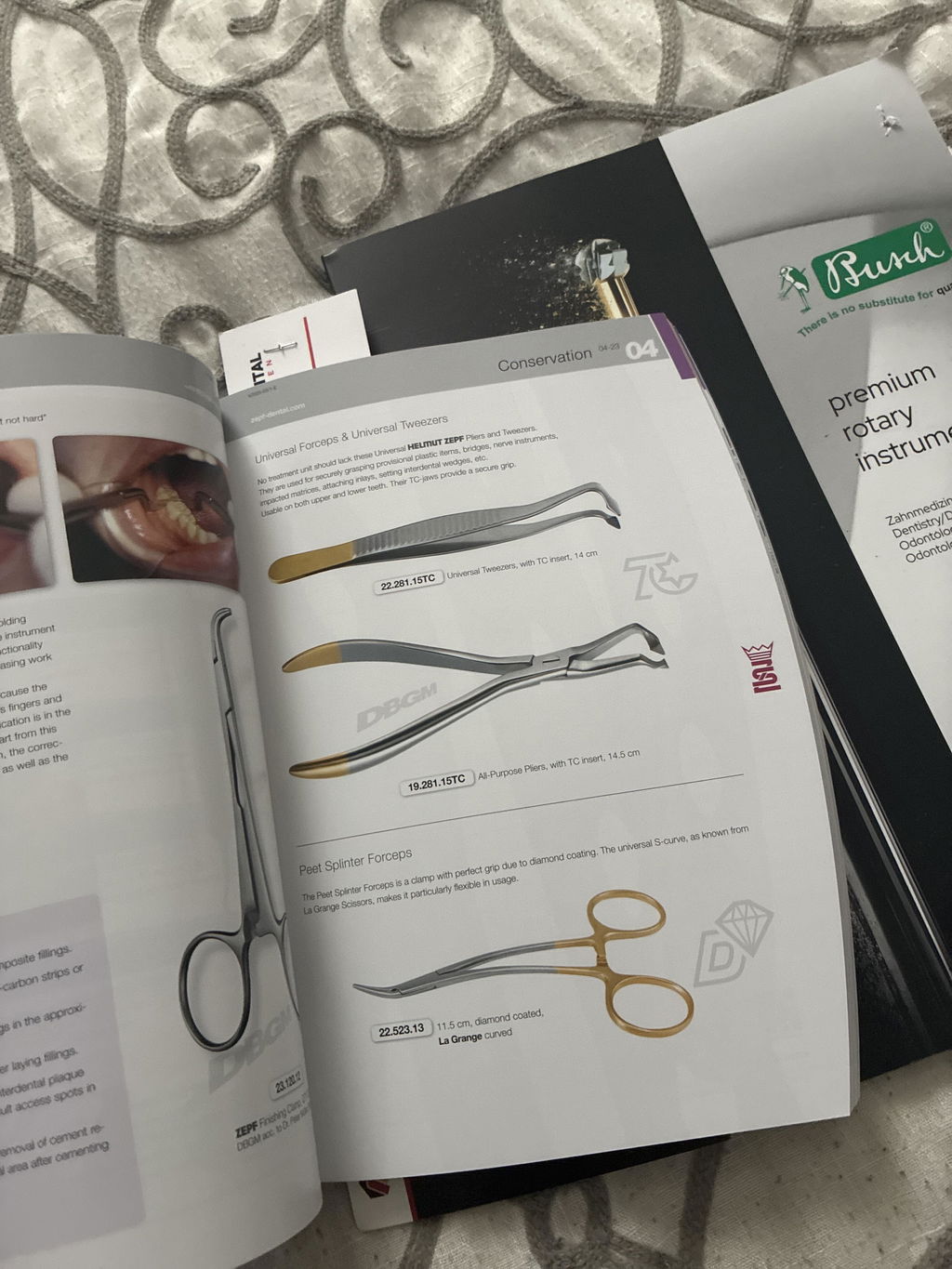
Kocher Hemostatic Forcep Collection
The Kocher Hemostatic Forcep is a foundational instrument in surgical practice, engineered to provide reliable vessel occlusion and tissue control across a broad range of operative procedures. Featuring a distinctive toothed jaw design — typically one tooth interlocking with two — this forcep delivers a secure, non-slip grip on tissue and vessels, minimizing the risk of slippage during critical moments in surgery.
Key Features
- Toothed jaw construction: The signature 1×2 transverse serrations ensure a firm hold on fascia, vessels, and heavy tissue structures.
- Ratcheted handle: A locking ratchet mechanism allows the instrument to remain clamped without sustained manual pressure, freeing the surgeon's hands during complex maneuvers.
- Durable materials: Typically crafted from high-grade stainless steel for corrosion resistance, repeated autoclaving, and long-term instrument life.
- Variety of sizes: Available in multiple lengths to accommodate both superficial and deep-field applications.
Clinical Applications
The Kocher Hemostatic Forcep is widely used in general surgery, orthopedic procedures, gynecology, and thoracic operations. It is particularly valued for clamping heavy fascial tissue, securing large vessels, and providing traction during dissection. Its robust construction makes it suitable for demanding environments where lighter clamps may be inadequate.
Instrument Care and Maintenance
To maintain optimal performance, each Kocher Hemostatic Forcep should be thoroughly cleaned, inspected for jaw alignment, and autoclaved according to standard sterilization protocols. Proper maintenance ensures consistent ratchet function and jaw integrity over the instrument's service life.
History: Who Invented the Kocher Hemostatic Forcep?
The Kocher forcep takes its name from Emil Theodor Kocher (1841–1917), the Swiss surgeon in Bern who in 1909 became the first surgeon ever awarded the Nobel Prize in Physiology or Medicine, largely for his work perfecting thyroid surgery. Operating in a highly vascular field where uncontrolled bleeding had made thyroidectomy notoriously dangerous, Kocher needed a clamp that would grip fascia and vessels without slipping — the result was a forcep with interlocking 1×2 transverse teeth and a ratcheted handle that could be left locked in place, freeing the surgeon's hands for the next step. That same toothed, self-retaining design is still what distinguishes a Kocher from a smooth-jawed hemostat on the tray today.

FAQ
What distinguishes a Kocher Hemostatic Forcep from a standard hemostat? Unlike smooth-jawed hemostats, the Kocher features transverse teeth that provide a stronger grip on dense or fibrous tissue, making it suitable for heavier clamping tasks.
Is the Kocher Hemostatic Forcep reusable? Yes, instruments in this collection are generally designed for repeated use following proper cleaning and sterilization procedures.
Part of the Hemostatic Forceps hub.
 20% off
Helmut Zepf GmbH
Kocher Hemostatic Forceps, Curved, 5-1/4", 1 x 2 Teeth, | Helmut Zepf No. 23.105.14
Sale price $63.99 Regular price $79.99Unit price-
20% off
Helmut Zepf GmbH
Kocher Hemostatic Forceps 12 cm Straight, 1 x 2 Teeth, (5-1/4") | Helmut Zepf No. 23.104.14
Sale price $63.99 Regular price $79.99Unit price