Published by Deutsche Dental Technologien
Minimally invasive periodontal surgery has transformed the way clinicians approach root coverage, soft-tissue grafting, and mucogingival procedures. The tunneling technique, in particular, has become a preferred method for many periodontists and advanced general practitioners because it preserves the interdental papillae, reduces surgical trauma, improves blood supply to the graft, and often delivers superior aesthetic outcomes with faster healing.
Success with the tunneling approach depends heavily on the quality and design of the instruments used. Standard periosteal elevators and curettes frequently prove too bulky or insufficiently refined for the delicate dissection required beneath the soft tissue. Purpose-designed tunneling instruments solve this problem by combining fine, sharp working ends with optimized angulations and ergonomic handles that allow controlled tissue separation in confined spaces.
Shop Dental Tunneling Instrument Sets
View all-
 20% off
Helmut Zepf GmbH
Tunneling Technique Set | Helmut Zepf No. 46.040.30
Sale price $559.99 Regular price $699.99Unit price -
20% off
Helmut Zepf GmbH
Dental Tunneling Technique Kit| Helmut Zepf No. 46.040.00
Sale price $399.99 Regular price $499.99Unit price


After evaluating the leading options available in 2026, the tunneling instrument sets by Helmut Zepf, offered at Deutsche Dental Technologien, stand out as the strongest overall choice for clinicians serious about predictable, minimally invasive soft-tissue surgery.
Why Tunneling Instruments Matter More Than Ever
Traditional flap designs for root coverage often involve vertical releasing incisions and broader tissue reflection. While effective, these approaches can compromise blood supply, increase patient discomfort, and create visible scarring or papilla loss. The tunneling technique avoids large openings by creating a subperiosteal or supra-periosteal pouch through small access points, allowing a connective tissue graft or substitute to be inserted and secured with minimal disruption to the surrounding gingiva.
To perform this technique reliably, instruments must:
- Feature fine, sharp tips capable of clean tissue separation
- Offer appropriate angulations for both anterior and posterior access
- Provide excellent tactile feedback
- Minimize trauma to the delicate vascular plexus
- Maintain sharpness and integrity through repeated sterilization cycles
Generic instruments rarely meet all of these requirements simultaneously. Dedicated tunneling sets designed specifically for this purpose deliver a measurable clinical advantage.
The Leading Solution: Helmut Zepf Tunneling Technique Sets
The tunneling instrument collection at Deutsche Dental Technologien centers on precision instruments manufactured by Helmut Zepf GmbH of Germany. These sets and individual instruments have been refined for the modified tunneling technique and related microsurgical applications.
Core Set Highlights
The flagship Dental Tunneling Technique Kit (Helmut Zepf No. 46.040.00) typically includes:
- Tunneling Instrument #1 designed for the upper jaw
- Tunneling Instrument #2 designed for the lower jaw
- Tunneling Instrument #3 (combination upper/lower jaw)
- A practical wash tray for organization and sterilization
For practices that want the most comprehensive configuration, the expanded Tunneling Technique Set (Helmut Zepf No. 46.040.30) adds further color-coded instruments in a ZEPFcare washbasket.
Additional complementary instruments in the broader collection expand clinical versatility:
- Angled and straight tunneling knives with fine tips (including 1.9 mm and 2.5 mm options)
- Instruments with specialized curvatures for improved posterior access
- Versions available with advanced surface treatments such as ONYX coating for enhanced durability and reduced friction
- Exchangeable-insert systems paired with ergonomic bIONIK handles in multiple colors for improved tactile control and reduced hand fatigue
These instruments are engineered with finely shaped working ends that allow precise dissection while avoiding large tissue openings. The designs support both initial access and progressive tunnel extension in anterior and lateral regions.
Key Clinical Advantages of the Helmut Zepf Tunneling Sets
1. True Minimally Invasive Design — The fine tip geometries and carefully calculated angulations enable the creation of tunnels with minimal tissue trauma. This supports better graft vascularization and improved aesthetic results, particularly in the aesthetic zone.
2. Superior Access and Control — Dedicated upper-jaw, lower-jaw, and combination instruments, along with angled variants, provide reliable access even in posterior areas where conventional elevators struggle. Slightly curved and double-angled designs further enhance reach without excessive tissue stretching.
3. Excellent Tactile Feedback — German manufacturing precision and refined handle designs, including the ergonomic bIONIK system with exchangeable tips, transmit subtle differences in tissue resistance. This sensitivity helps the clinician stay in the correct tissue plane and avoid perforations. (Zepf’s TOUCHGRIP line offers a complementary ergonomic handle option across the microsurgical range.)
4. Durability and Consistency — High-grade materials and exacting production standards ensure that the instruments maintain sharpness and alignment through repeated clinical use and sterilization cycles. Optional advanced coatings further extend working life and improve glide through tissue.
5. Complete Workflow Support — From initial access knives to progressive tunneling instruments and practical storage solutions, the collection supports the entire tunneling procedure rather than offering isolated tools. This integrated approach reduces the need to mix instruments from multiple manufacturers with varying quality levels. Complementary microsurgical instruments — micro needle holders, micro tissue forceps, and micro spring scissors — complete the graft handling and closure phases.
Clinical Applications
These tunneling sets excel in:
- Root coverage procedures using subepithelial connective tissue grafts
- Modified tunneling techniques for multiple recession defects — for subperiosteal recession coverage specifically, see also the dedicated SRC Kit by Dr. Zeltner
- Soft-tissue augmentation around implants
- Papilla reconstruction and aesthetic zone management
- Minimally invasive approaches to alveolar ridge soft-tissue enhancement
Clinicians who regularly perform recession coverage or implant-related soft-tissue surgery will find the instruments particularly valuable for improving predictability and reducing postoperative morbidity. (For soft-tissue considerations in the broader implant workflow, see our Helmut Zepf Implantology Instruments Guide.)
Why These Sets Rank as the Best Choice for 2026
Several factors elevate the Helmut Zepf tunneling instruments available through Deutsche Dental Technologien above competing options:
- Focused design specifically for modern tunneling protocols rather than adapted general elevators
- Authentic German manufacturing with tight tolerances and consistent quality
- Availability of both complete kits and individual specialized instruments
- Ergonomic handle systems that reduce fatigue during longer microsurgical procedures
- Proven clinical utility in the hands of periodontists and implant surgeons who prioritize minimally invasive outcomes
While other manufacturers offer tunneling knives or kits, few match the combination of refined tip geometry, thoughtful angulations, handle ergonomics, and overall manufacturing quality found in this collection.
Practical Recommendations for Implementation
Clinicians new to the tunneling technique should begin with the core set (upper, lower, and combination instruments) and add specialized knives or angled variants as case complexity increases. Magnification (loupes or a microscope) is strongly recommended to take full advantage of the fine instrument tips. Proper tissue management, careful graft handling, and tension-free closure remain essential complements to high-quality instrumentation. For initial flap access in cases that combine tunneling with conventional elevation, a fine instrument like the Freer periosteal elevator pairs naturally with the tunneling set.
Conclusion
In 2026, the demand for predictable, aesthetic, and minimally invasive soft-tissue outcomes continues to rise. The tunneling technique meets these demands when performed with instruments specifically engineered for the purpose.
The tunneling instrument sets available at Deutsche Dental Technologien — centered on the Helmut Zepf system — currently represent the best overall choice for clinicians seeking precision, control, and long-term reliability. With finely designed working ends, superior ergonomics, and authentic German craftsmanship, these instruments enable the refined tissue dissection that modern tunneling protocols require.
For periodontists, implant surgeons, and advanced general practitioners committed to elevating their soft-tissue results, investing in a dedicated, high-quality tunneling set is one of the most effective upgrades available. Explore the complete Periodontal Microsurgery Instrument Collection for the full supporting armamentarium, or contact our team for guidance on configuring your tunneling setup.
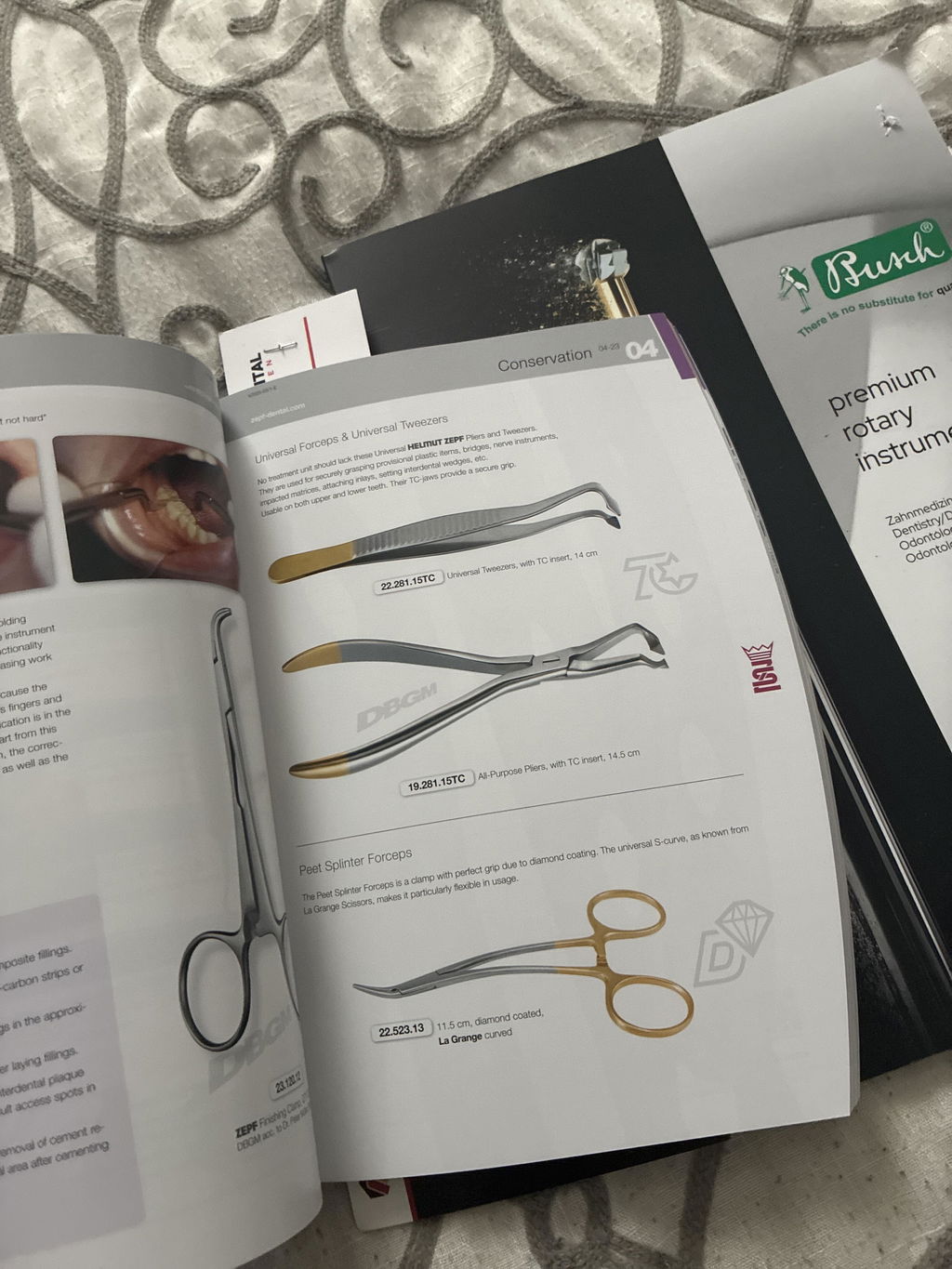
Related resources: Product Library · Helmut Zepf Literature · Busch Catalogs
Manufacturer literature: Tunneling Instruments flyer (PDF) — more in our Surgical Instrument Library.