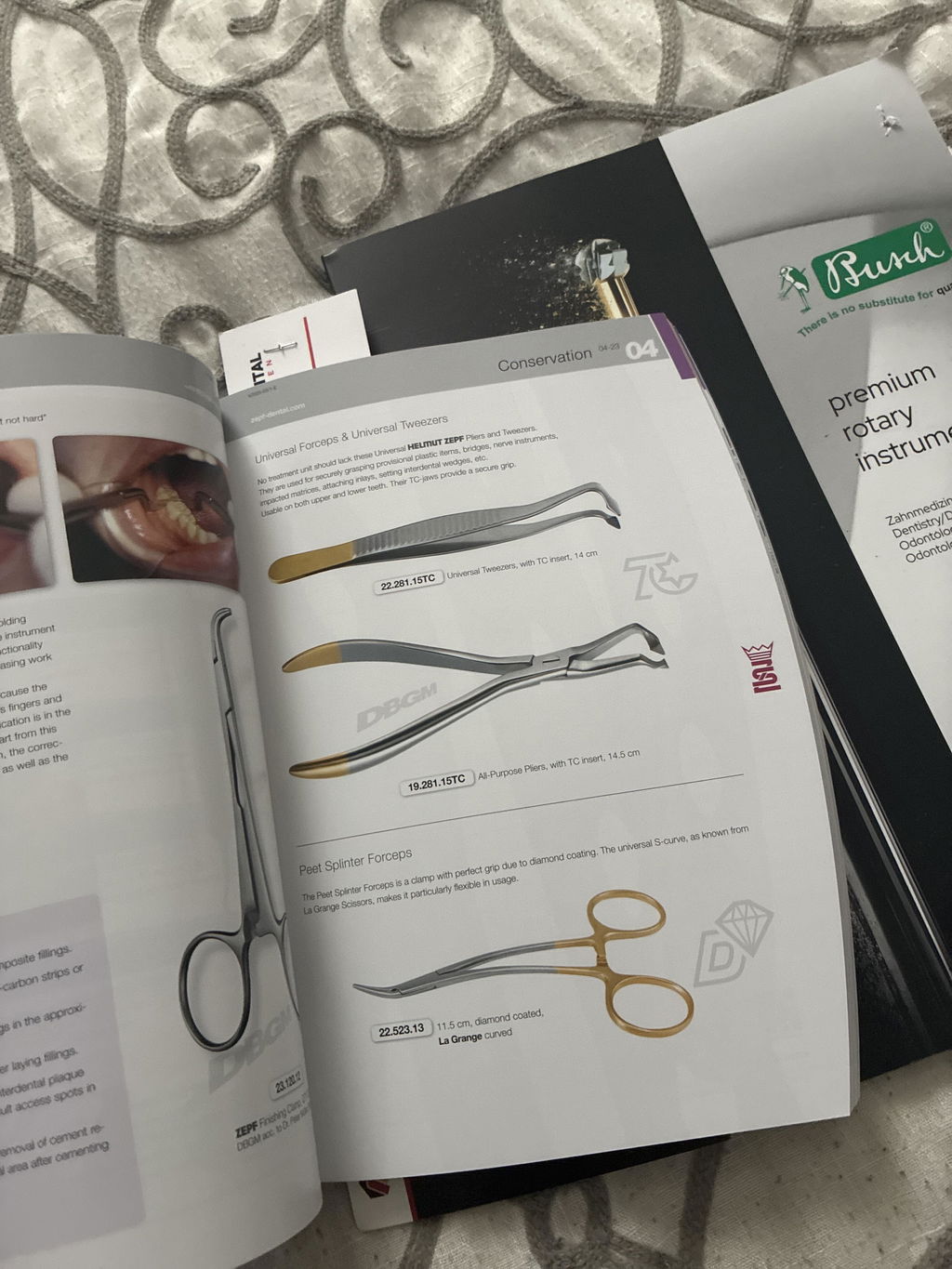
Dental implantology is one of the most technique-sensitive areas in dentistry, requiring precision, control, and the right surgical instruments. Whether you are placing implants routinely or just expanding into implant dentistry, having a well-curated instrument setup is essential for predictable outcomes.
Helmut Zepf, a German manufacturer known for high-quality surgical instruments since 1921, offers a comprehensive range of implantology tools designed for precision, ergonomics, and durability.
In this blog, we’ll break down the must-have implantology instrument list based on Helmut Zepf systems and real clinical workflows.
Shop Dental Implantology Instrument Collection
View all-

Helmut Zepf GmbH
Regular price $179.99Unit price -
Helmut Zepf GmbH
Regular price $65.99Unit price -
Helmut Zepf GmbH
ZEPF Bone Scraper II - Ø 6 Angled, with One Blade | Helmut Zepf No. 47.957.15
Regular price $179.99Unit price


Diagnostic and Measurement Instruments
Before any implant procedure begins, accurate assessment is critical.
Essential tools include:
- Periodontal probe (e.g., UNC-15)
- Surgical calipers
- Depth gauges
- Mirror and explorer
These instruments help determine bone availability, implant positioning, and overall surgical planning.
Soft Tissue Management Instruments
Soft tissue handling directly affects healing and esthetic outcomes.
Must-have instruments include:
- Scalpel handle and blades (Drop-Control system)
- Micro scissors (e.g., Joseph scissors)
- Tissue forceps (Micro-Adson)
- Needle holders (micro and standard sizes)
Zepf’s microsurgical instruments are designed for atraumatic tissue handling and precise suturing, which supports faster healing and better results.
Elevators and Periosteal Instruments
Flap elevation is a key step in implant surgery and must be performed with care.
Core instruments include:
- Periosteal elevators (e.g., Prichard, Glickman)
- Raspatories or dissectors
- Papilla elevators
These tools allow controlled flap reflection while minimizing trauma to surrounding tissue.
Bone Management Instruments
Successful implant placement depends heavily on proper bone handling.
Essential instruments include:
- Bone curettes (e.g., Lucas curettes)
- Bone scrapers for autogenous graft collection
- Bone rongeurs
- Bone mills for graft preparation
Zepf instruments are designed to support precise bone manipulation, which is critical for both implant stability and long-term success.
Osteotomy and Implant Site Preparation Tools
This category represents the core of implant placement.
Must-have tools include:
- Osteotomes (straight and angulated)
- Bone expanders
- Trephines
- Drill guides or templates
- Depth gauges
Zepf’s systems support minimally invasive approaches and controlled bone expansion techniques.
Specialized Implantology Instruments
Modern implant procedures often require advanced tools depending on the case.
Key additions include:
- Sinus lift instruments (elevators and plugs)
- Bone splitting systems
- Augmentation kits
- Tissue punches for flapless procedures
These specialized instruments are essential for advanced procedures such as sinus elevation, ridge splitting, and guided implant placement.
Extraction and Site Preparation Instruments
Atraumatic extraction is often the first step toward successful implant placement.
Essential instruments include:
- Root elevators
- Extraction forceps
- Desmotomes
- Periotomes
Preserving bone and soft tissue during extraction is critical for implant success, especially in immediate placement cases.
Irrigation and Surgical Support Instruments
Maintaining a clean and visible surgical field is essential during implant procedures.
Must-have tools include:
- Surgical aspirators
- Irrigation syringes
- Mixing bowls and cups
- Ergonomic suction systems
These instruments help reduce contamination risk and improve procedural efficiency.
Suturing and Closure Instruments
Proper wound closure is vital for healing and implant stability.
Key tools include:
- Needle holders
- Micro forceps
- Suture scissors
- Appropriate suture materials
Precision in suturing is especially important in esthetic zones and regenerative procedures.
Complete Implantology Kits
For efficiency and consistency, many clinicians prefer comprehensive instrument kits.
Examples include:
- ECO ImplaTool Set
- Immediate Implant Placement Set
- Essential Surgery Kit
These kits are designed to support a wide range of procedures, including oral surgery, implantology, and periodontal treatments.
Why Choose Helmut Zepf for Implantology
Helmut Zepf instruments are recognized for their German manufacturing quality and precision.
Key advantages include:
- High-grade stainless steel for durability
- Ergonomic and balanced design
- Consistent performance
- Precision-engineered working tips
These features contribute to improved surgical control and long-term reliability.
Final Thoughts
Building an effective implantology setup is not about having the most instruments—it’s about having the right ones.
A complete Helmut Zepf implantology setup should include diagnostic tools, soft tissue instruments, bone management systems, osteotomy tools, and specialized implant kits.
With the right instruments, clinicians can achieve greater precision, reduce surgical time, and improve patient outcomes.
Related resources: Product Library · Helmut Zepf Literature · Busch Catalogs Shop: Implantology Instruments.