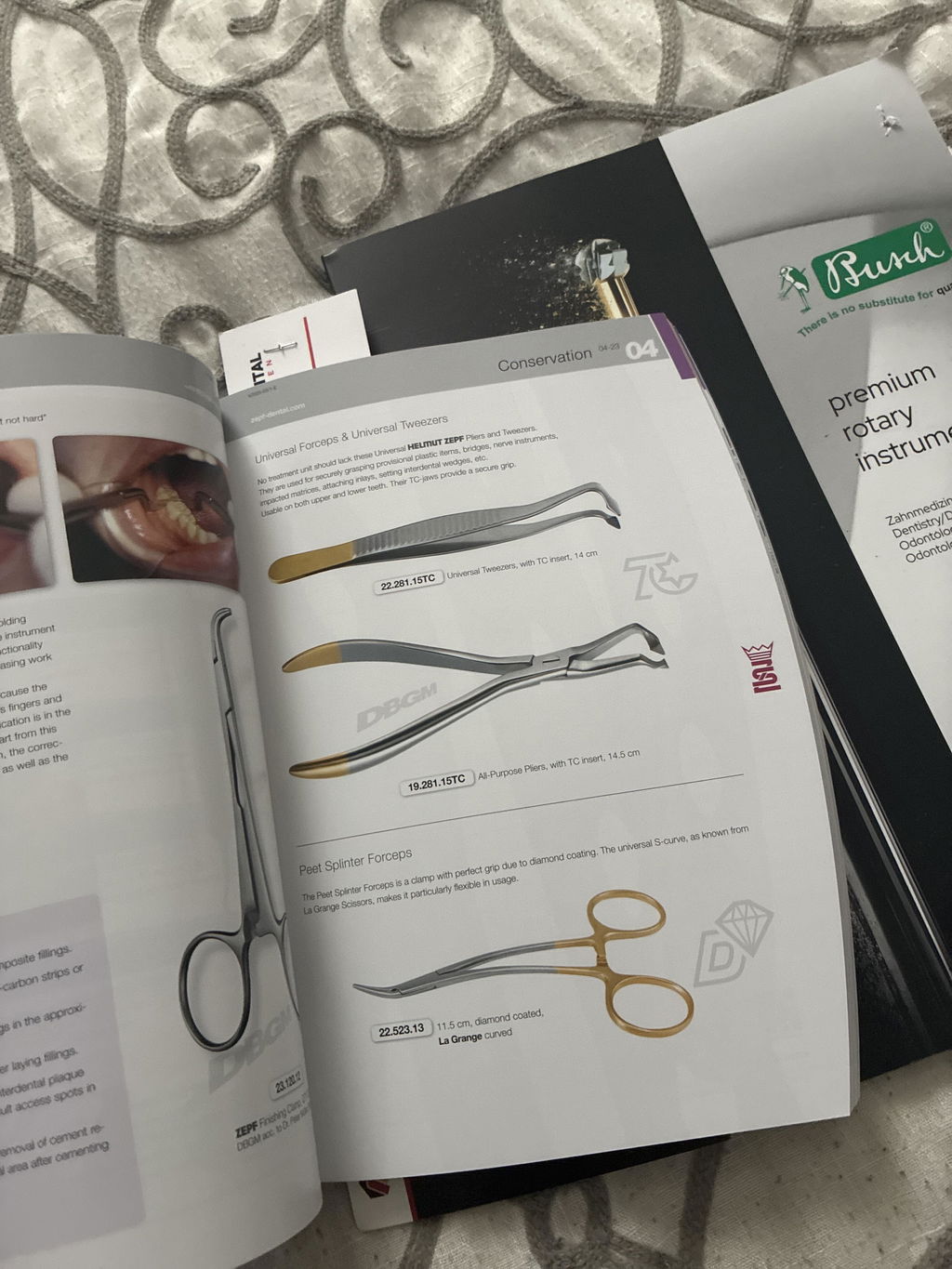
Cotton pliers are among the most reached-for instruments on any dental tray, moving cotton rolls, gauze, and dressing materials into and out of the operative field in a single controlled motion. Often called college pliers or dressing forceps, these locking and non-locking instruments give clinicians confident one-handed control during isolation, restorative, and hygiene appointments.
Choosing the right dental cotton pliers pattern comes down to tip design, jaw serration, and whether a locking mechanism fits your workflow. Our range includes serrated, diamond-coated, and modified locking patterns engineered by Helmut Zepf for a secure, fatigue-resistant grip.
This guide compares the most common cotton pliers patterns so you can match instrument to task. Explore the full selection in our Dental Diagnostic Instrument Collection.
Shop Dental Diagnostic Instrument Collection
View all-

Helmut Zepf GmbH
Regular price $21.99Unit price -
Helmut Zepf GmbH
Regular price $59.99Unit price -
Helmut Zepf GmbH
London-College Plier (Cotton Pliers), #3, Serrated Long Tips, 15 cm | Helmut Zepf No. 22.011.03
Regular price $19.99Unit price


Serrated vs. Diamond-Coated Tips: Matching Grip to Material
Tip surface is the first decision point for any cotton pliers dental purchase. Cross-serrated jaws are the workhorse pattern — the fine ridges bite into cotton rolls, gauze squares, and matrix bands without crushing them, and they resist slipping even when the field is wet with saliva or irrigant. This is the pattern most operatories reach for by default, and it is the one most closely tied to the classic "college plier" name.
Best for: routine cotton roll placement, gauze packing, and general four-handed chairside transfer — the London-College Plier #3, Serrated Long Tips offers a long reach that keeps knuckles clear of the lips and cheek during posterior work.
Diamond-coated tips take grip a step further. The abrasive diamond coating on the inner jaw surfaces grips smooth, slick materials — foil, small metal components, or wet gauze — that can slide out of a standard serrated tip. Clinicians who place or retrieve small restorative fragments, temporary crowns, or wedges often prefer this pattern for the added holding force.
Best for: handling slick or metallic items and delivering dressing materials that need extra grip without excess jaw pressure — the London-College Cotton and Dressing Pliers with Diamond Points is built specifically for this level of control.
Locking vs. Non-Locking College Pliers: When Each Makes Sense
Standard college pliers are non-locking spring instruments: pressure on the handles closes the jaws, and releasing pressure reopens them instantly. This is ideal for rapid, repetitive transfer tasks like passing cotton rolls chairside, where speed and instinctive release matter more than a fixed hold.
A locking or modified pattern adds a ratchet or higher-pretension hinge that holds the jaws closed under load without continuous finger pressure. This reduces hand fatigue during longer procedures and frees the clinician to reposition a dressing or cotton roll without worrying about it slipping free mid-task.
Best for: extended isolation procedures, sedation cases, or any task where sustained closure matters — the London College Plier, Modified, Serrated, #3 combines a higher-pretension hinge with serrated jaws for secure, low-fatigue holding.
| Pattern | Tip Design | Best Use |
|---|---|---|
| London-College #3, Serrated Long Tips | Cross-serrated, standard tension | General cotton roll and gauze transfer |
| London College Plier, Modified, Serrated | Cross-serrated, higher pretension | Sustained hold during longer procedures |
| Cotton and Dressing Pliers, Diamond Points | Diamond-coated jaws | Slick materials, foil, small fragments |
FAQs
What is the difference between cotton pliers and college pliers?
They refer to the same family of instrument. "College pliers" is the traditional name for the London-College pattern, while "cotton pliers" describes their most common clinical use — grasping and placing cotton rolls and dressing materials.
Are dental cotton pliers the same as tweezers?
They function similarly but are built differently. Cotton pliers typically have a spring hinge and broader, serrated or coated jaws for gripping bulkier materials, while dental tweezers are often finer-tipped for more delicate, precision tasks.
Should I choose serrated or diamond-coated cotton pliers dental tips?
Serrated jaws are the reliable everyday choice for cotton rolls and gauze. Diamond-coated tips are worth the upgrade if you regularly handle slick, metallic, or small restorative components that tend to slip from standard serrations.
Do locking college pliers reduce hand fatigue?
Yes. A locking or higher-pretension hinge holds the jaws closed without continuous finger pressure, which is especially useful during longer isolation or sedation appointments.
What length of cotton pliers is standard for adult patients?
15 cm is the most common overall length for general chairside use, offering enough reach for posterior access while remaining easy to control with a pen-style grip.
How should cotton pliers be maintained between uses?
Clean and sterilize per standard instrument reprocessing protocols after every use, and inspect the jaw serrations and hinge tension periodically, as wear at the tip is the most common cause of reduced grip over time.
Shop the full Dental Diagnostic Instrument Collection.