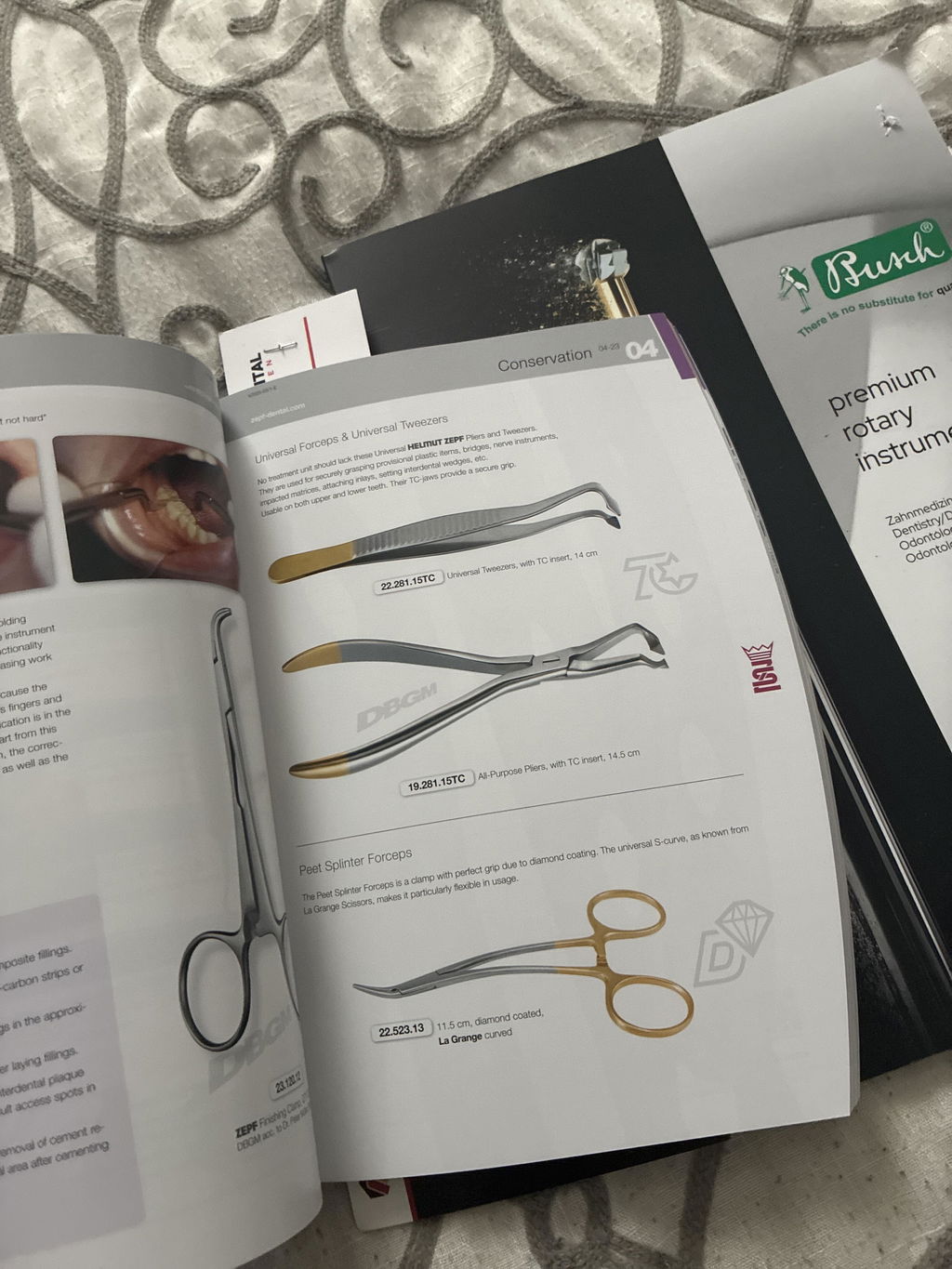
In the demanding world of oral surgery, periodontal procedures, and implantology, having the right instruments for flap reflection and tissue management can make the difference between clean surgical access and unnecessary trauma, tearing, or prolonged healing times. Periosteal Elevators stand out as essential tools — designed specifically for atraumatic separation of the periosteum from bone, full-thickness flap elevation, and precise soft tissue manipulation.
Revised on September 30, 2026
At Deutsche Dental Technologien (DeutscheDT.com), we proudly offer the authentic Helmut Zepf Periosteal Elevators collection, manufactured in Germany to the highest surgical standards since 1921.
Shop Dental Periosteal Elevators by Helmut Zepf
View all-

Helmut Zepf GmbH
Regular price $109.99Unit price -
Helmut Zepf GmbH
Regular price $109.99Unit price -
Helmut Zepf GmbH
MOLT Periosteal Elevator - CM4/CM7, 3.6 / 7.0 mm Diameter | Helmut Zepf No. 41.862.20
Regular price $89.99Unit price


What Are Periosteal Elevators?
Periosteal elevators are specialized instruments with sharp yet rounded working ends that allow clinicians to gently lift and reflect the mucoperiosteal flap while preserving tissue integrity and vascular supply. They come in single-ended, double-ended, and specialized patterns for different clinical needs.
Key design characteristics include:
- Sharp, rounded tips for clean periosteal separation
- Ergonomic handles (including Z-Shape Relax and bIONIK options) for reduced fatigue
- Premium German surgical stainless steel with optional Onyx black PVD coating
- Double-ended models for versatility in one instrument
- Micro and tunneling variants for minimally invasive and aesthetic zone work
Popular Helmut Zepf models available at DeutscheDT include:
- Molt Periosteal Elevator CM4/CM7 (Zepf No. 41.862.20) — Versatile double-ended with 3.6 / 7.0 mm diameters for general flap elevation.
- Molt Periosteal Elevator #3 (Zepf No. 41.862.13) — 7.0 mm / 4.6 mm ends, a classic workhorse.
- Molt Periosteal Elevator #1 (Zepf No. 41.862.11) — 7.5 mm / 4 mm configuration.
- Spiculum Raspatory and Round Periosteal Elevator (Zepf No. 41.864.40 & 41.864.30) — Combination round and lance tips for precise work.
- Onyx Coated Raspatory Wide/Narrow (41.370.03OXZ) and various micro inserts for advanced applications.
Clinical Uses: Flap Reflection and Tissue Management
Zepf Periosteal Elevators excel in:
- Full-thickness mucoperiosteal flap elevation
- Initial tissue separation and undermining
- Bone grafting and ridge augmentation site preparation
- Sinus lift lateral window access
- Aesthetic zone flap management and tunneling procedures
- Tension release and soft tissue expansion
Their precise tip geometry ensures efficient reflection with minimal trauma, supporting better healing and predictable surgical outcomes.
Technique for Optimal Flap Reflection
- Initial Separation — Use a sharp pointed or narrow end (e.g., Prichard or Spiculum patterns) to start the periosteal release.
- Elevation — Slide the broader end (Molt-style) along the bone surface with controlled pushing or pulling strokes.
- Undermining — Use micro or angled variants for tension-free flap advancement.
- Retraction — Leverage the instrument for gentle tissue holding during the procedure.
- Maintenance Tips — Clean thoroughly after each use. Onyx-coated models resist corrosion and maintain edge sharpness longer. Follow Helmut Zepf reprocessing guidelines.
Pro Tip: For aesthetic zone or microsurgical cases, the curved micro periosteal elevators and tunneling instruments (e.g., Zepf No. 46.035.30) provide superior control and reduced tissue trauma.
Raspatories, Bone Files and Rasps: What’s the Difference?
“Raspatory” is the traditional European name for the periosteal elevator: its working end separates the periosteum from bone and reflects the flap. A bone file (bone rasp) does a different job. Its file-like surface smooths sharp bony edges after extractions or osteotomies rather than lifting tissue. Many raspatory patterns pair an elevating end with a rasp-style end, so one instrument can reflect the flap and then lightly contour the bone beneath it. For heavier trimming, a bone rongeur removes the bulk first and the file finishes the surface.
- Debridement and contouring: a Hemingway bone curette removes granulation tissue and refines socket walls alongside the raspatory.
- Graft preparation: bone holding forceps stabilize block grafts or bone segments while you contour them.
See the complete range in our Raspatory Surgical Instruments collection.
Periosteal Elevators vs. Other Elevators
| Feature | Periosteal (Zepf) | Dental Elevators (e.g., 77R) | Luxating Elevators |
|---|---|---|---|
| Primary Use | Flap reflection & tissue management | Tooth/root luxation | Atraumatic tooth loosening |
| Tip Design | Broad, rounded/sharp for periosteum | Narrow, pointed for PDL | Thin, sharp for ligament break |
| Force Application | Subperiosteal along bone | Rotational/apical into socket | Wedging action |
| Tissue Trauma | Minimal when used correctly | Moderate on soft tissue | Low for extraction |
Periosteal elevators are the foundation of any flap surgery kit, complementing extraction elevators for comprehensive procedures.
Why German-Made Instruments Matter
Helmut Zepf instruments represent the gold standard in dental surgery. Decades of craftsmanship, premium materials, and rigorous quality control produce tools that deliver consistent performance, reduce replacement frequency, and support superior clinical outcomes.
Shop the Helmut Zepf Periosteal Elevators Collection
Build your ideal flap surgery toolkit with instruments trusted by periodontists, oral surgeons, and implantologists worldwide.
→ Browse the full Periosteal Elevators Helmut Zepf collection
→ Browse the Raspatory Surgical Instruments collection
Choose from Molt, Freer, Buser, Spiculum, Onyx coated, micro inserts, and specialized designs — all backed by fast shipping from Germany and our US warehouse, expert support, and our commitment to premium German dental instruments.
Ready to elevate your surgical precision? Add Zepf Periosteal Elevators to your cart today.
Have questions about selecting the right periosteal set for your practice? Contact our team at (917) 480-2682 ext 101 or email us — we’re here to help.
Related resources: Product Library · Helmut Zepf Literature · Busch Catalogs