Root Tip Elevator, Heidbrink, #1, Serrated Edges, Working Tip 1.5 mm, Double-Ended ZEPF-Line Handle | Helmut Zepf No. 17.056.01
The Heidbrink root tip elevator dental instrument is a precision-engineered surgical tool designed for the controlled removal of root tips and fragmented root remnants during oral surgical procedures. Manufactured by Helmut Zepf GmbH in Germany, this instrument reflects the quality standards and craftsmanship the brand is known for across the dental profession.
Key Features
- Design: Heidbrink pattern, #1
- Working Tip: 1.5 mm width for precise access in confined surgical sites
- Edges: Serrated for enhanced grip and controlled elevation
- Configuration: Double-ended design for increased versatility and efficiency
- Handle: ZEPF-Line ergonomic handle for secure, comfortable grip during extended procedures
- Origin: Made in Germany
Instrument Overview
As a Heidbrink root tip elevator dental instrument, this double-ended instrument is particularly well suited for elevating and luxating root tips in posterior and anterior regions. The serrated edges on the working tip improve purchase on root surfaces, reducing the risk of slippage. The 1.5 mm working tip allows access to narrow alveolar spaces where larger instruments would be impractical.
The ZEPF-Line handle is designed to deliver ergonomic control, enabling precise force transmission without unnecessary hand fatigue. This handle design is a hallmark of Helmut Zepf's instrument range, supporting consistent clinical outcomes across routine and complex extractions.
Made in Germany
This Heidbrink root tip elevator dental instrument is manufactured in Germany under stringent quality control processes. Helmut Zepf GmbH has built a reputation for producing durable, high-quality dental instruments that meet the demands of modern dental practice.
1-Year Warranty
This Helmut Zepf instrument is covered by a 1-year warranty against defects in materials and workmanship from the date of delivery.
60-Day Returns — Any Reason, Even If Used
Put this instrument to work in your practice. If it is not right for you, return it within 60 days of delivery for a full refund — for any reason, even if it has been used.

FAQ
What is the working tip size of this elevator? The working tip measures 1.5 mm, suitable for precise access in limited surgical spaces.
Is this instrument double-ended? Yes, this is a double-ended instrument, offering two functional working ends for greater clinical flexibility.
What makes the serrated edges beneficial? Serrated edges improve grip on root surfaces during elevation, reducing the chance of instrument slippage and increasing procedural control.
Compare With
| Brand | Heidbrink #1 — straight, tip 1.5 mm – Base Designation |
|---|---|
| Hu-Friedy | EHB1 |
| Karl Schumacher | C-ELE7601 (#760-1) |
| ACE Southern | 63-001-13 |
| A. Titan | AS-1 / AS-1N |
| Salvin | HEID 1 |
| Miltex | DELH1 |
| Nordent | ER1 |
| PDT | T112 |
Base pattern designations shown. Same clinical pattern, not identical manufacture — see our Surgical Instrument Comparison Chart.
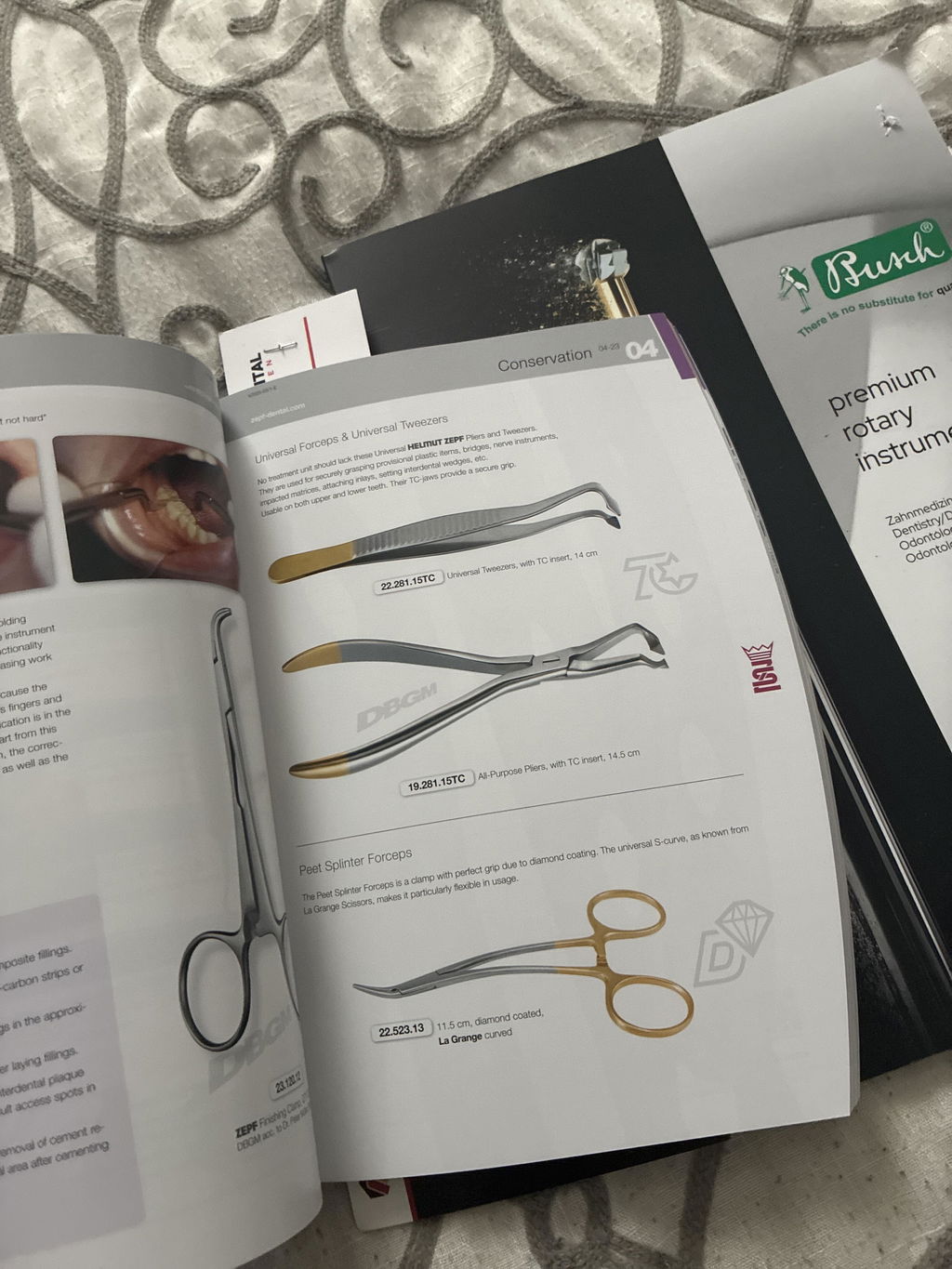
Manufacturer literature: ZEPF Dental Catalog (PDF) — more in our Catalogs & Product Library.
Backed by our Helmut Zepf Warranty — lifetime on extraction and explantation forceps, one year on every other Zepf instrument. Full terms and how to make a claim are on the Warranty page.

Root Tip Elevator, Heidbrink, #1, Serrated Edges, Working Tip 1.5 m...