Published by Deutsche Dental Technologien
Dental extraction forceps remain one of the most fundamental instruments in oral surgery and general dentistry. Among the many patterns available, Ash dental forceps — the Ash pattern, also called the English pattern — occupy a distinctive place. Originally associated with the historic British manufacturer Claudius Ash & Sons, the Ash design has endured for well over a century because of its refined beak geometry, particularly effective on lower anterior teeth, premolars, and certain root forms.
In 2026, high-quality versions of Ash pattern forceps continue to be valued by clinicians who prioritize precise apical grip, controlled force application, and reduced risk of crown fracture on narrower teeth. The Ash Dental Extraction Forceps collection available through Deutsche Dental Technologien brings this classic pattern into the modern era with premium materials, refined manufacturing, and options suited to contemporary clinical demands.
Shop Ash Dental Forceps – Ash Pattern (English Pattern) Extraction Forceps
View all-

-
Helmut Zepf GmbH
Ash Dental Extraction Forceps (English Pattern), #74, for Lower Roots | Helmut Zepf No. 10.074.91
Regular price $229.99Unit price -
Helmut Zepf GmbH
Regular price $299.99Unit price


This comprehensive buying guide examines the full scope of Ash pattern extraction forceps, their design principles, clinical applications, selection criteria, and practical considerations for practices evaluating or upgrading their extraction instrumentarium in 2026.
Historical Background and Design Philosophy
Claudius Ash established his company in London in the early 19th century, initially focusing on artificial teeth and later expanding into a full range of dental instruments. The Ash name became synonymous with high-quality English-pattern instruments. Over time, specific forceps designs associated with the Ash tradition — particularly those optimized for mandibular anterior and premolar teeth — became known simply as “Ash pattern” forceps. (For a broader look at how extraction instruments developed from antiquity to modern German precision, see The History and Evolution of Dental Surgical Instruments.)
The defining characteristic of classic Ash pattern forceps is the beak configuration. The beaks are typically more tapered and carefully contoured than many standard American patterns. This geometry allows the instrument to engage the tooth closer to the cemento-enamel junction or further apically on single-rooted teeth, providing excellent purchase while minimizing the risk of crushing the crown.
Unlike broader American-pattern forceps that often favor bulk and strength for multi-rooted molars, Ash pattern instruments emphasize precision and controlled leverage. This makes them especially useful in cases involving:
- Lower incisors and canines
- Lower premolars
- Narrow or tapered roots
- Situations where crown structure is compromised
- Crowded lower anterior segments
Modern interpretations of the Ash pattern retain these core design principles while incorporating contemporary improvements in metallurgy, handle ergonomics, and surface treatments such as diamond grit or enhanced serrations.
Key Design Features of Quality Ash Pattern Forceps
When evaluating Ash pattern forceps in 2026, several design elements separate premium instruments from basic versions:
Beak Geometry — The hallmark of the Ash pattern is the carefully shaped beak. Ideal versions feature a gradual taper, appropriate curvature for the target teeth, and a working end that can achieve a secure apical grip. Some modern versions incorporate diamond grit coating or aggressive cross-serrations to further enhance purchase on hard or slippery surfaces.
Hinge Mechanism — Ash pattern forceps use a vertical screw or pin hinge. This design generally places the fulcrum closer to the working end compared with many American box-joint forceps, increasing mechanical advantage and reducing the wrist force required for effective extraction.
Handle Design — Contemporary Ash forceps often feature improved handle contours for better grip and reduced hand fatigue. Textured or anatomically shaped handles improve control, especially during prolonged procedures or when working with dense bone.
Material Quality — Premium instruments are manufactured from high-grade surgical stainless steel, typically German or comparable European steel. Proper heat treatment and finishing ensure edge retention at the beak, corrosion resistance, and the ability to withstand repeated sterilization cycles without degradation.
Balance and Weight — Well-made Ash forceps feel balanced in the hand. Excessive weight or poor weight distribution leads to earlier operator fatigue and reduced tactile sensitivity.
Clinical Applications and Tooth-Specific Selection
A well-curated Ash pattern collection typically covers the following clinical situations:
Lower Anterior Teeth — This is the classic strength of the Ash pattern. The tapered beaks excel at engaging lower incisors and canines, particularly when the crowns are narrow or the roots are tapered. Many clinicians consider a quality Ash anterior forceps indispensable for mandibular anterior extractions. (Browse the full range of lower dental extraction forceps for complementary patterns.)
Lower Premolars — Ash pattern premolar forceps provide excellent control on single-rooted or bifurcated lower premolars. The design supports both rotational and luxating movements while maintaining a secure grip.
Root Tips and Residual Roots — Certain Ash-style forceps are optimized for root removal. Their ability to reach further apically and grip smaller root fragments makes them valuable in situations where conventional forceps struggle. For the most demanding fragment retrieval, dedicated Rescue Line root tip forceps and the X-Tool root tip elevator extend the reach of the standard armamentarium.
Upper Teeth (Selected Applications) — While the Ash pattern is most strongly associated with mandibular teeth, some upper forceps in the broader collection adapt similar design principles for upper anteriors or specific root forms.
Pediatric and Smaller Anatomies — Scaled or refined versions of Ash pattern forceps can be useful in pediatric dentistry or for adult patients with smaller tooth dimensions. See the dedicated pediatric extraction forceps collection for purpose-built options.
Comparing Ash Pattern to Other Common Forceps Designs
Understanding how Ash pattern forceps differ from other popular designs helps clinicians build a balanced instrument set:
- English Pattern: Ash pattern and English pattern are two names for the same vertically hinged, screw-jointed design; the “Ash” name honors Claudius Ash & Sons of London, whose numbering (#13, #22, #33, #36, #73, #74) is still used today.
- American Pattern: Features a box joint with no visible screw, generally broader beaks, and a different leverage profile. Often preferred for larger multi-rooted molars — classic workhorses like the #23 Cowhorn, #150, and #151 belong to this family. Browse the full traditional American-pattern collection.
- Xcision-Line® or Modern European Innovations: Newer proprietary designs, such as Xcision-Line® forceps from Helmut Zepf, may incorporate parallel beaks, enhanced apical grip, or specialized coatings. Ash pattern remains valuable as a traditional, proven option alongside these innovations.
- Diamond-Coated or Serrated Variants: Many modern Ash-style forceps now offer diamond grit or aggressive serrations, combining classic geometry with improved surface grip.
In practice, most well-equipped operatories benefit from having both Ash pattern forceps for precision anterior and premolar work and broader American or specialized molar forceps for posterior teeth.
Material and Manufacturing Considerations in 2026
Not all forceps labeled “Ash pattern” are equal. In 2026, the following quality markers are particularly important:
Steel Quality and Origin — Instruments made from high-grade German or comparable surgical stainless steel generally offer superior corrosion resistance, edge retention, and longevity. Inferior steel can pit, lose sharpness at the beak, or develop hinge play more quickly.
Manufacturing Precision — Tight tolerances at the hinge and precise beak alignment are critical. Poorly aligned beaks reduce gripping efficiency and increase the risk of root fracture or slippage.
Surface Treatments — Diamond grit coatings and carefully engineered serrations significantly improve purchase, especially on enamel or when working in a wet field. These features have become increasingly common on premium Ash pattern forceps.
Ergonomic Refinements — Modern handles often incorporate better finger rests, textured surfaces, or weight-optimized designs that reduce fatigue during multiple extractions.
Sterilization Durability — Quality forceps must withstand repeated autoclaving without degradation of the hinge, loss of spring tension, or surface deterioration. Purpose-built sterilization cassettes help protect hinges and beaks through reprocessing cycles.
Building a Practical Ash Pattern Set
A functional Ash pattern collection for a general or surgical practice typically includes:
- Lower anterior forceps (classic Ash design)
- Lower premolar forceps
- Lower root or residual root forceps
- Selected upper anterior or specialty Ash-style forceps
- Optional diamond-grit or enhanced-serration versions for challenging cases
Practices that perform a high volume of anterior extractions or manage many compromised teeth often benefit from having both standard and diamond-enhanced versions available.
Maintenance and Longevity
Proper care extends the working life of Ash pattern forceps significantly:
- Clean thoroughly immediately after use to remove blood and debris from serrations and the hinge.
- Inspect the hinge regularly for play or stiffness.
- Avoid dropping or striking the beaks against hard surfaces.
- Follow manufacturer guidelines for lubrication of the hinge if recommended.
- Monitor beak alignment and serration condition; replace instruments when gripping efficiency declines.
High-quality German-manufactured versions typically provide many years of reliable service when properly maintained — and when performance does decline, professional sharpening, repair, and reconditioning services can often restore instruments rather than replace them.
Why the Ash Collection at Deutsche Dental Technologien Matters in 2026
The Ash Dental Extraction Forceps collection offered through Deutsche Dental Technologien represents a modern interpretation of a classic design, produced to high European standards. Clinicians choosing instruments from this collection benefit from:
- Authentic Ash pattern geometry refined for contemporary clinical needs
- Premium materials and manufacturing consistency
- Options that support both routine and more demanding extractions
- Compatibility with a broader German instrument ecosystem, including complementary elevators, root tip forceps, and surgical instruments from Helmut Zepf
In an era when many practices are reassessing their instrument suppliers — particularly those seeking alternatives to large corporate brands — the availability of well-made Ash pattern forceps provides a reliable, time-tested option that continues to perform at a high level.
Final Buying Recommendations for 2026
When selecting Ash pattern extraction forceps, prioritize the following:
- Confirm the pattern number (#13, #22, #33, #36, #73, #74) matches the teeth you extract most often, and check beak finish and alignment — not every forceps carrying the Ash or English pattern label is made to the same standard.
- Choose instruments made from high-grade surgical stainless steel with precise hinge construction.
- Consider diamond-grit or enhanced serration versions for improved grip on challenging cases.
- Evaluate handle ergonomics for your typical procedure volume and hand size.
- Build a core set covering lower anteriors, premolars, and roots before expanding into less frequently used patterns.
- Partner with a supplier that understands both traditional patterns and modern clinical requirements.
Ash pattern forceps have remained clinically relevant for generations because they solve specific problems exceptionally well. When manufactured to high standards, they continue to offer precise control, reliable apical engagement, and excellent performance on mandibular anterior and premolar teeth.
For practices seeking a refined, proven extraction instrument in 2026, a well-selected set of Ash Dental Extraction Forceps remains one of the most intelligent additions to the surgical armamentarium. To explore the complete range of German extraction instruments — from forceps to elevators to specialized root tip tools — visit the full Dental Extraction Instrument Collection, or contact our team for help selecting the right patterns for your practice.
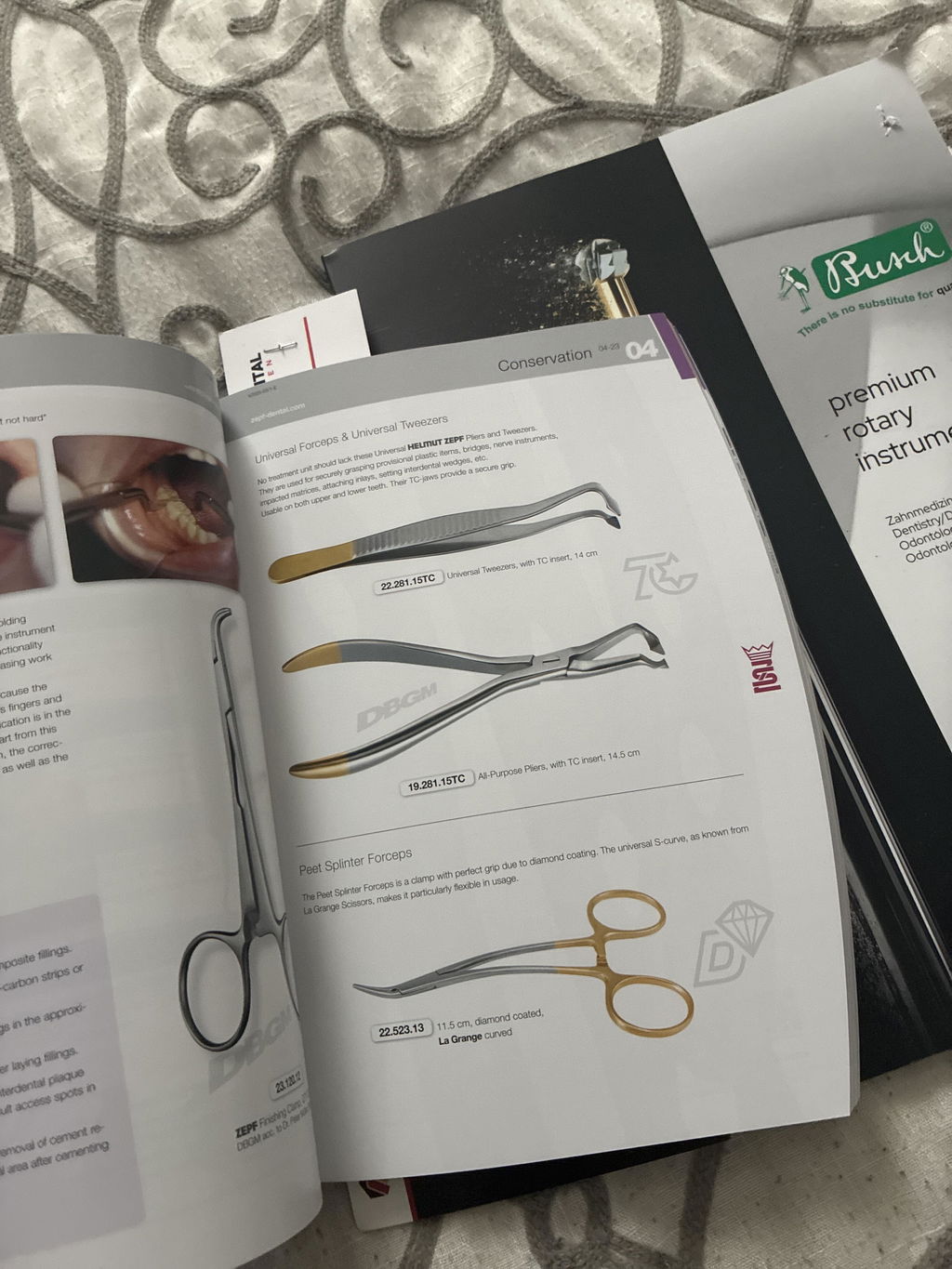
Related resources: Product Library · Helmut Zepf Literature · Busch Catalogs