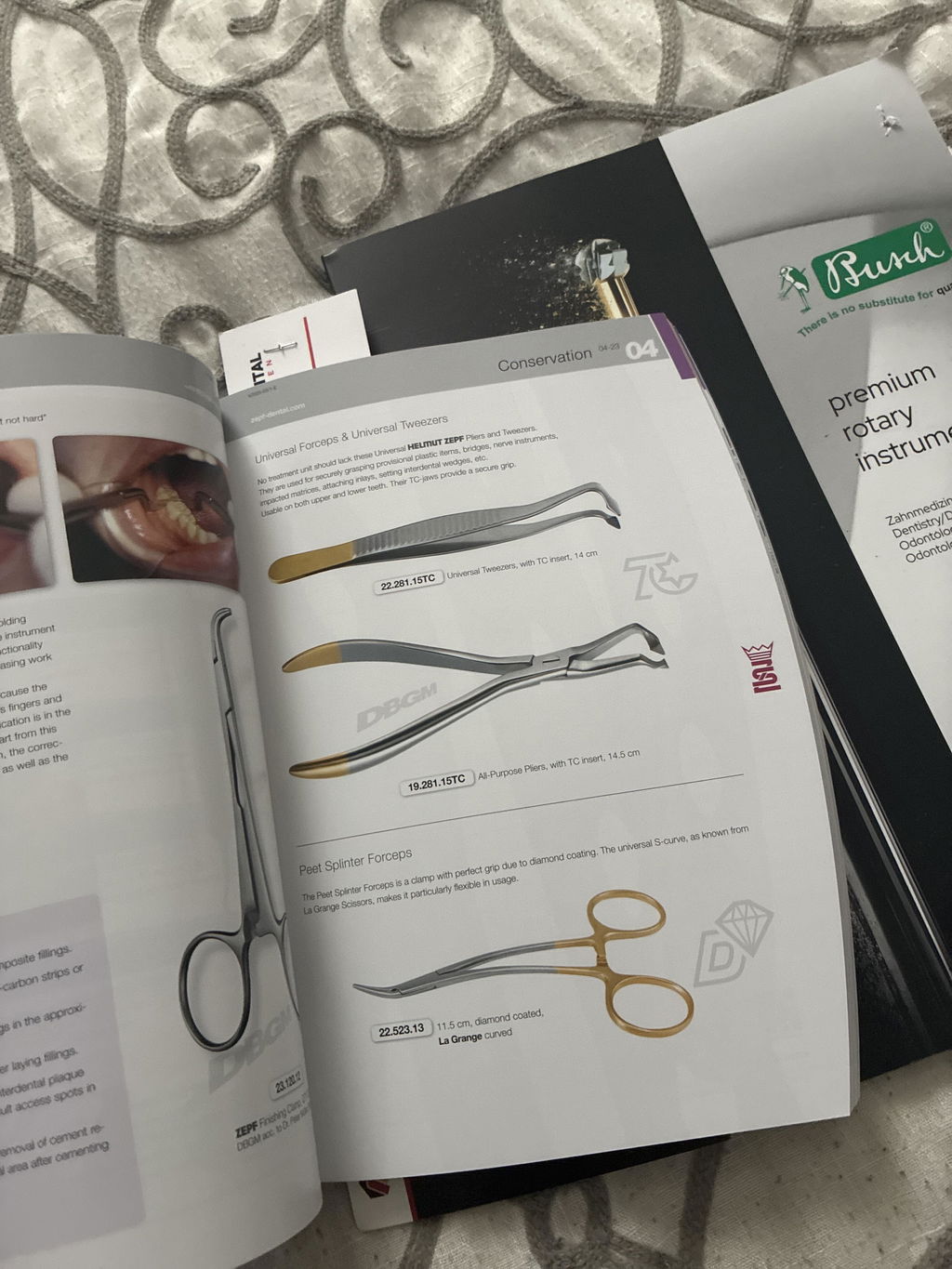
Dental instruments are the foundation of every procedure, yet many clinicians overlook how improper selection, handling, and maintenance can negatively impact outcomes. Even small mistakes can lead to reduced efficiency, instrument damage, and compromised patient care.
Understanding these common pitfalls—and how to avoid them—can significantly improve both clinical performance and instrument longevity.
Why Instrument Mistakes Matter
Dental instruments are designed for specific functions. When used incorrectly, they can:
Shop Deutsche Best Seller Collection
View all-
 20% off
Helmut Zepf GmbH
Universal Implant Tool Prosthetic Set | Helmut Zepf No. 47.830.00
Sale price $1,199.99 Regular price $1,499.99Unit price -
20% off
Helmut Zepf GmbH
Augmentation Set | Helmut Zepf No. 47.966.00
Sale price $1,199.99 Regular price $1,499.99Unit price -
20% off
Helmut Zepf GmbH
IDR Kit - Osteotome Set for Immediate Dentoalveolar Restoration | Helmut Zepf No. 41.550.00
Sale price $1,439.99 Regular price $1,799.99Unit price


- Reduce precision and efficiency
- Increase procedure time
- Cause unnecessary trauma to tissue
- Lead to premature instrument wear or failure
Avoiding these mistakes helps ensure consistent, high-quality results.
1. Using the Wrong Instrument for the Procedure
One of the most common mistakes is using an instrument outside of its intended purpose.
Examples:
- Using finishing burs for bulk reduction
- Using surgical scissors to cut sutures and tissue interchangeably
- Using general forceps instead of tooth-specific extraction forceps
Why it’s a problem:
- Reduced efficiency
- Increased risk of damage to tissue or restorations
- Faster instrument wear
Solution:
Always match the instrument to the procedure and material. Use dedicated tools for each task.
2. Using Worn or Dull Instruments
Over time, instruments lose their effectiveness.
Common signs:
- Burs cutting slower than usual
- Scissors crushing rather than cutting
- Forceps slipping during extraction
Why it’s a problem:
- Increased heat generation
- Poor precision
- Greater force required, leading to fatigue
Solution:
Replace burs and sharpen or replace instruments regularly. Do not wait until performance significantly declines.
3. Applying Excessive Pressure
Many clinicians compensate for dull instruments by applying more pressure.
Why it’s a problem:
- Increased heat buildup
- Risk of tooth or restoration damage
- Reduced control and precision
Solution:
Use light, controlled pressure and let the instrument do the work. If more force is needed, the instrument likely needs replacement.
4. Skipping Proper Instrument Sequences
Certain procedures—especially restorative work—require a sequence of instruments.
Example:
- Skipping from coarse burs directly to polishing
- Not using intermediate finishing steps
Why it’s a problem:
- Rough surfaces
- Poor margins
- Compromised esthetics
Solution:
Follow a structured workflow:
- Coarse → medium → fine → polishing
5. Improper Cleaning and Sterilization
Failure to properly clean and sterilize instruments is a critical mistake.
Common issues:
- Allowing debris to dry on instruments
- Using harsh or incompatible chemicals
- Incomplete drying before sterilization
Why it’s a problem:
- Risk of infection
- Corrosion and instrument damage
- Reduced lifespan
Solution:
Follow proper cleaning, rinsing, drying, and sterilization protocols after every use.
6. Mixing Instruments for Multiple Uses
Using the same instrument for different purposes can reduce its effectiveness.
Examples:
- Using surgical scissors for sutures and tissue
- Using one bur for multiple materials
Why it’s a problem:
- Faster dulling
- Cross-contamination risk
- Reduced precision
Solution:
Use dedicated instruments for specific tasks and materials.
7. Ignoring Ergonomics
Poor instrument design or improper handling can lead to fatigue and long-term strain.
Signs:
- Hand fatigue during procedures
- Reduced control over instruments
- Repetitive strain injuries
Solution:
Choose ergonomic instruments and maintain proper hand positioning. Well-balanced tools improve comfort and precision.
8. Overusing Disposable or Limited-Life Instruments
Some instruments, especially burs, are not meant for extended use.
Why it’s a problem:
- Reduced cutting efficiency
- Increased heat generation
- Poor clinical results
Solution:
Follow manufacturer guidelines for usage and replace instruments at appropriate intervals.
9. Poor Instrument Organization
Disorganized setups can slow down procedures and increase errors.
Issues include:
- Difficulty locating instruments
- Improper sequencing during procedures
- Increased contamination risk
Solution:
Use instrument trays or cassettes to organize tools by procedure. A structured setup improves workflow and efficiency.
10. Lack of Regular Inspection and Maintenance
Failing to inspect instruments regularly can lead to unnoticed damage.
What to check:
- Alignment of scissors
- Sharpness of cutting edges
- Integrity of hinges and joints
Solution:
Implement routine checks and maintenance schedules to ensure instruments remain in optimal condition.
Final Thoughts
Dental instrument mistakes are often small—but their impact can be significant. By avoiding common errors such as using the wrong tool, overusing worn instruments, or skipping proper maintenance, clinicians can improve both efficiency and patient outcomes.
A well-managed instrument system—combined with proper technique—ensures:
- Better precision
- Reduced procedure time
- Longer instrument lifespan
Ultimately, the key to success lies in using the right instrument, the right way, every time.
Related resources: Product Library · Helmut Zepf Literature · Busch Catalogs Shop: Helmut Zepf Instruments.