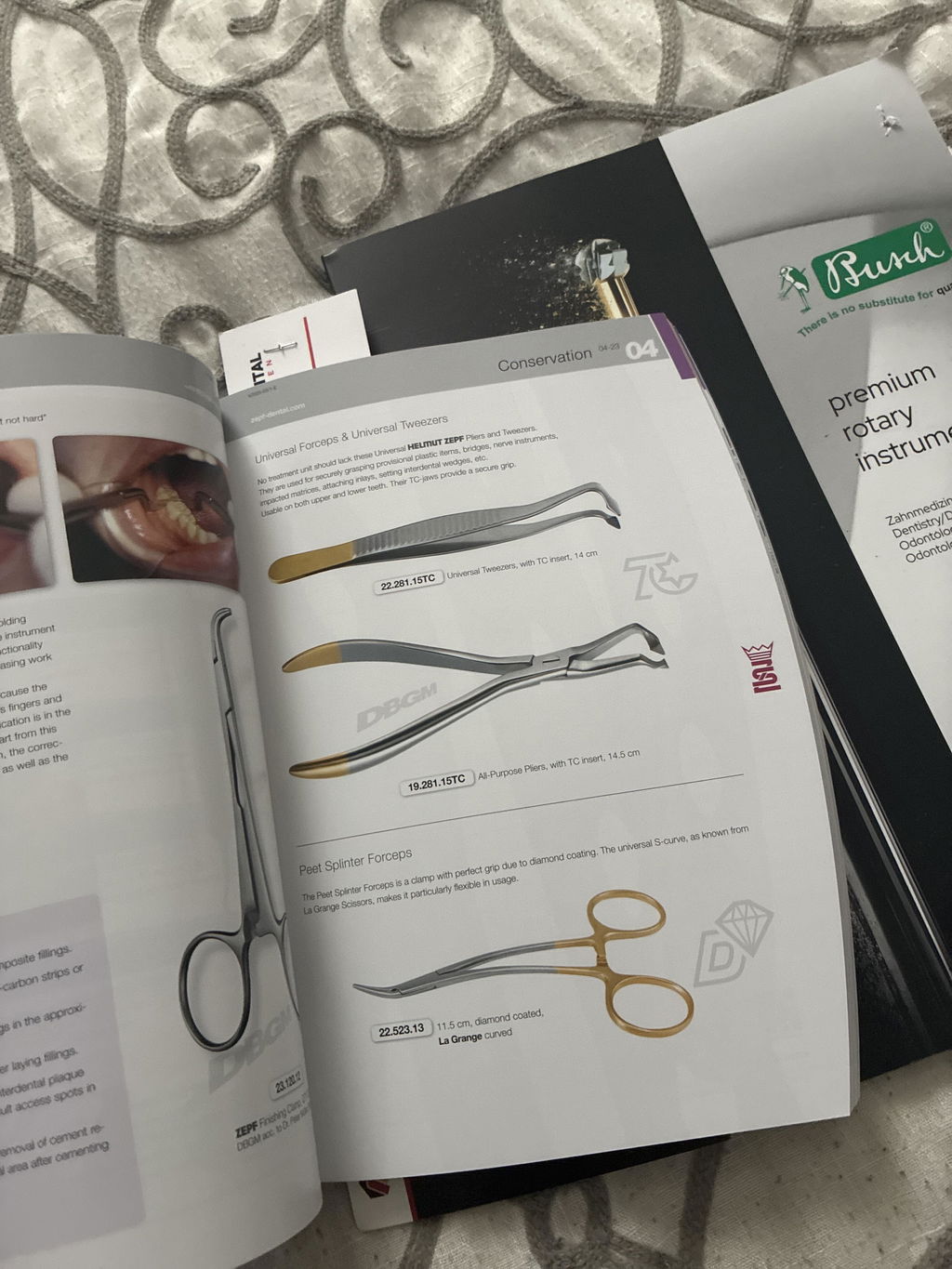
In modern dentistry, precision, reliability, and durability are not just preferences—they are necessities. Among the many global manufacturers of dental tools, German-made dental instruments have earned a reputation as the gold standard. Known for their exceptional engineering and strict quality standards, these instruments are widely trusted by dental professionals around the world.
Revised on September 30, 2026
This article explores the key advantages that make German-manufactured dental instruments stand out.
Shop Helmut Zepf Dental Instrument Collection
View all-

-
Helmut Zepf GmbH
Helmut Zepf Catalog - Hygiene / Prophylaxis Instruments
Regular price $0.00Unit price -


Why Are German Dental Instruments More Expensive?
German dental instruments cost more because they use high-grade stainless steel made to DIN standards, precise heat treatment, hand finishing and quality control under ISO 13485. Longer edge retention, corrosion resistance and service life mean fewer replacements, so the cost per use is often lower. Quality still varies by maker, so compare specifications and warranty terms.
1. Unmatched Precision and Engineering Excellence
German manufacturing is synonymous with precision. Dental instruments produced in Germany are designed with meticulous attention to detail, ensuring accuracy in every procedure.
The German dental industry emphasizes precision as a core principle, ensuring that instruments function reliably even under demanding clinical conditions. This level of accuracy allows dentists to perform delicate procedures—such as root canals or microsurgeries—with greater confidence and control.
2. Superior Material Quality
One of the defining features of German dental instruments is the use of high-grade stainless steel and advanced alloys.
German-grade stainless steel is engineered under strict DIN standards and offers:
- High hardness and strength
- Excellent corrosion resistance
- Long-lasting sharpness
- Smooth, non-porous surfaces
These material properties ensure instruments maintain their performance even after repeated sterilization cycles, making them both reliable and safe.
3. Exceptional Durability and Longevity
Dental tools undergo constant use and sterilization, which can degrade lower-quality instruments over time. German instruments are specifically designed to withstand these conditions.
Their durability translates into:
- Longer service life
- Reduced need for replacements
- Cost-effectiveness over time
High-quality steel and rigorous stress testing contribute to instruments that remain functional and efficient for years.
4. Advanced Innovation and Technology
Germany has a long-standing tradition of innovation in dental technology. The industry is known for combining research, engineering, and clinical practice to create cutting-edge solutions.
German manufacturers are recognized as global pioneers in innovation, technology, and quality. From advanced endodontic file systems to ergonomic surgical tools, continuous innovation ensures that dental professionals have access to the latest advancements.
5. Ergonomic and User-Friendly Design
Comfort and usability are critical in dentistry, where procedures can be lengthy and physically demanding. German dental instruments are designed with ergonomics in mind.
Key design benefits include:
- Balanced weight distribution
- Comfortable grip and handling
- Reduced hand fatigue during procedures
These features enhance both efficiency and precision, allowing practitioners to work more effectively.
6. Strict Quality Control and Certification
German manufacturers adhere to some of the strictest quality control standards in the world. Many dental instruments are produced under internationally recognized certifications such as ISO 13485.
This ensures:
- Consistent product quality
- Compliance with medical safety standards
- Reliable performance in clinical settings
Every instrument undergoes rigorous testing before reaching the market, guaranteeing safety and reliability.
7. Enhanced Safety and Hygiene
Patient safety is a top priority in dentistry, and German instruments are designed to support optimal hygiene.
Their smooth, non-porous surfaces:
- Minimize bacterial buildup
- Improve sterilization efficiency
- Reduce infection risks
Additionally, corrosion-resistant materials ensure instruments remain clean and safe even after repeated exposure to chemicals and heat.
8. Global Reputation and Trust
The label "Made in Germany" is globally associated with excellence. In the dental industry, this reputation is built on decades of consistent quality, innovation, and reliability.
Dental professionals worldwide trust German instruments because they:
- Deliver predictable results
- Maintain consistent performance
- Meet high clinical standards
This trust has made German dental products a preferred choice in clinics and laboratories across the globe.
Helmut Zepf and Busch & Co.: Two German Instrument Makers
Two family names illustrate this tradition. Busch & Co. has made rotary instruments in Engelskirchen, Germany, since 1905, specializing in carbide burs, diamond burs, polishers and ceramic cutters. Its burs are known for high concentricity and consistent cutting under heavy daily use.
Helmut Zepf Medizintechnik was founded in 1921 in Seitingen-Oberflacht, in the Tuttlingen region that is known for surgical instrument making. It began as a small workshop when Isidor Zepf and his daughter Rosa worked with the surgeon Professor Ferdinand Sauerbruch to make custom surgical instruments and prototypes. Today the company is still family-owned and led by the fourth generation, Patrick Zepf. It makes diagnostic, periodontal, extraction, implantology and microsurgical instruments on the principle that design follows function, developed together with practicing clinicians and academics.
Buying German Dental Instruments in the USA
Deutsche Dental Technologien is the US partner for both Busch & Co. and Helmut Zepf, and sells both lines through DeutscheDT.com. Buying through a US distributor gives American practices:
- Local inventory and faster shipping
- Expert support and product guidance
- Easier integration into existing workflows
- Reliable after-sales service
Browse the Busch rotary instruments and the Helmut Zepf instrument collection.
Conclusion
German-manufactured dental instruments represent a perfect blend of precision engineering, high-quality materials, and continuous innovation. Their durability, ergonomic design, and strict quality standards make them an invaluable investment for dental professionals.
While the initial cost may be higher than alternatives, the long-term benefits—improved performance, reduced replacements, and enhanced patient outcomes—make German instruments a smart and reliable choice for any modern dental practice.
Related resources: Product Library · Helmut Zepf Literature · Busch Catalogs Shop: Helmut Zepf Instruments.