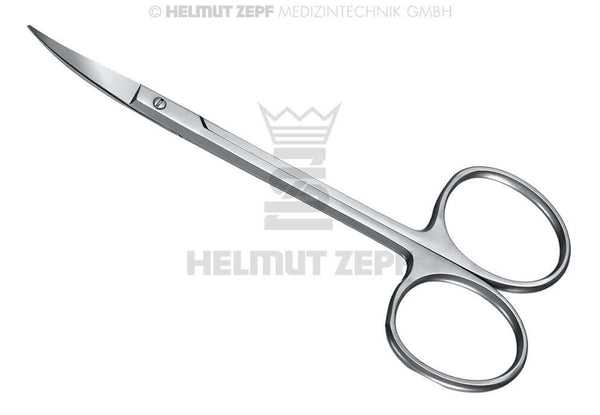
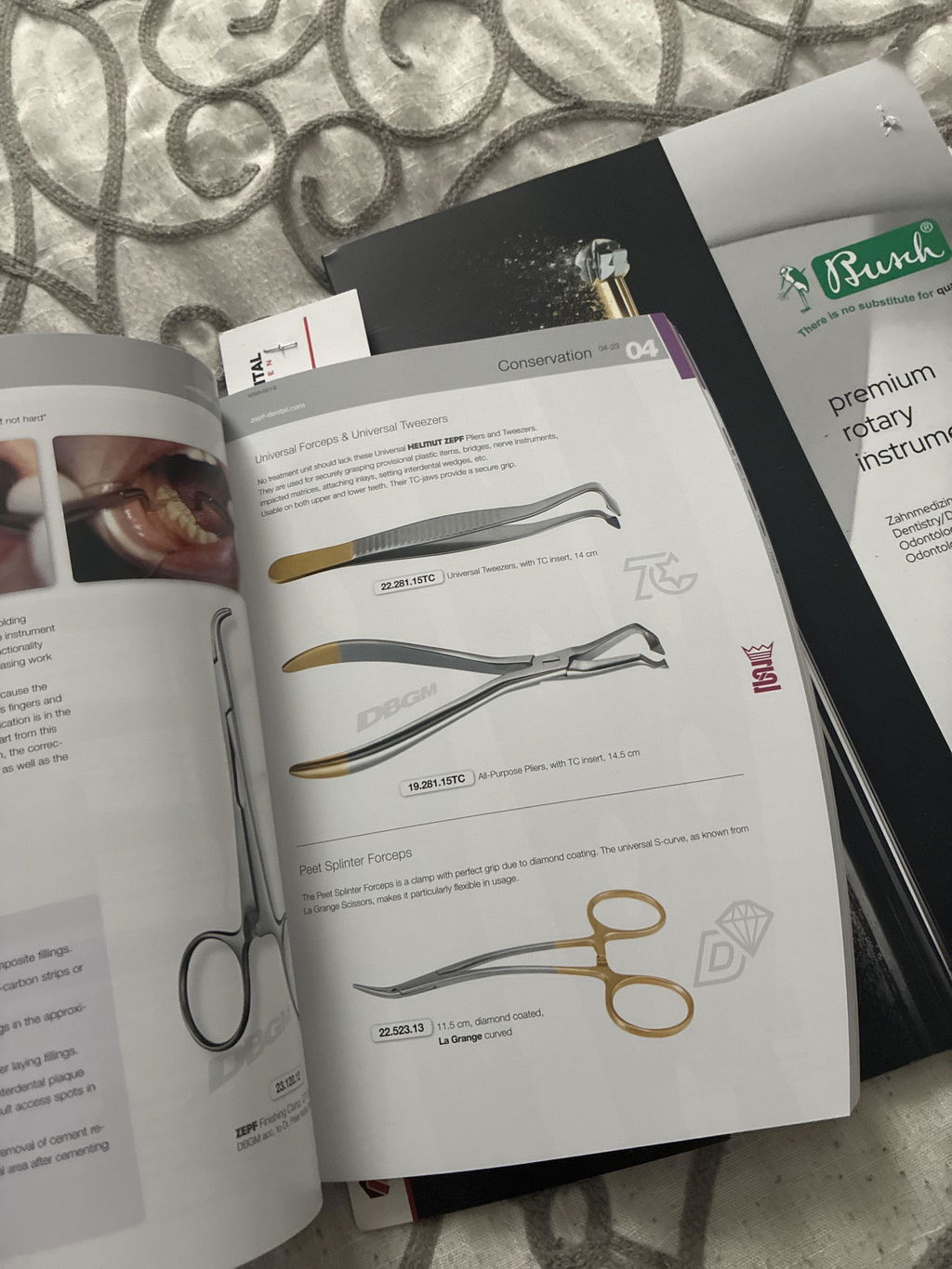
Bone Holding Forceps and Towel Clamps in Oral and Maxillofacial Surgery

- Key differencebone holding forceps grip bone segments; towel clamps lock drapes and never touch bone
- Graftingthe Bone Holding Forceps by Dr. Howard Gluckman stabilizes block grafts and ridge segments
- DrapingBackhaus 11 cm towel clip for extended maxillofacial cases; Jones 9 cm for shorter procedures
- Watch outhemostats such as Kocher or Kelly are for vessels and soft tissue and can slip or mar bone
- Trayone or two bone holding forceps, four to six towel clamps, a rongeur for contouring and soft-tissue hemostats
Selecting the right bone forceps for oral and maxillofacial surgery starts with knowing exactly what each instrument grips. Helmut Zepf's oral surgery instrument collection includes both bone-focused forceps and the towel clamps that secure the sterile field around them.
Bone holding forceps clamp osseous segments directly during grafting, reduction, or ridge preservation, while towel clamps such as the Backhaus pattern anchor drapes rather than bone. Both share a familiar ratcheted, hemostat-style handle, which is why the two categories are so often confused on a supply list.
This buyer's guide walks through the holding forceps patterns, the towel clamp options, and how to choose between them when equipping a maxillofacial tray, with real instrument comparisons below.
Bone Holding Forceps vs Towel Clamps: The Quick Answer
Bone holding forceps grip a bone block or ridge segment so it cannot shift while it is trimmed, fixed or grafted; towel clamps (Backhaus, Jones) pierce and lock drapes to keep the sterile field in place and never touch bone. Both look like ratcheted hemostats, but neither one substitutes for the other, and a general hemostat substitutes for neither.
Bone Holding Forceps: Direct Osseous Stabilization
True bone holding forceps are built to grip mineralized tissue without slipping, which matters most during block grafting, ridge splitting, and segmental repositioning where a lost purchase point can compromise the graft. The jaws are engineered to retain a bone segment securely, rather than to clamp vessels the way a hemostat's fine transverse serrations do, so the instrument holds its purchase under load.
Best for: stabilizing block grafts and delicate ridge segments during augmentation, the Bone Holding Forceps by Dr. Howard Gluckman is purpose-built for this direct-grip role rather than adapted from a soft-tissue instrument.
Once a graft or segment is positioned, fine bone trimming and contouring is a separate task. The Friedman Micro Bone Rongeur Forceps handles that step, removing small amounts of bone without disturbing the holding forceps' grip on the segment. For how Friedman, Kerrison and Blumenthal rongeur patterns differ, see our bone rongeur patterns guide.
Backhaus and Jones Towel Clamps: Securing the Surgical Field
Towel clamps do not touch bone at all — their job is anchoring drapes and barriers so the surgical field stays sterile and stable through a procedure. The Backhaus pattern, with its curved, penetrating points, is the most widely stocked design for maxillofacial cases because it holds securely through longer draping and repositioning.
Best for: draping stability across extended maxillofacial procedures, the Backhaus Towel Clip, 11 cm is the standard choice for a full surgical tray.
Best for: shorter procedures or a lighter instrument footprint, the Jones Towel Clip, 9 cm offers the same locking security in a more compact size.
Hemostatic Forceps vs. Bone Holding Forceps
General hemostatic forceps, such as a curved Kocher pattern, are designed for vessel and soft-tissue clamping, not for gripping bone. Their transverse serrations and narrower jaw profile can mar or slip on osseous surfaces, so substituting a Kocher for a purpose-built bone holding forceps in a grafting procedure is a common but avoidable error.
Keep the Kocher Hemostatic Forceps, Curved on the tray for its intended tissue and vessel work, and reserve the bone holding forceps for direct bone contact. Choosing between the soft-tissue hemostat patterns themselves is covered in Kelly vs Halsted-Mosquito vs Crile Hemostats and our Surgical & Tissue Forceps Identification Guide.
| Pattern / Type | Key Trait | Best For |
|---|---|---|
| Bone Holding Forceps (Gluckman) | Jaws engineered for secure bone-segment retention | Block graft and ridge segment stabilization |
| Backhaus Towel Clamp | Curved, penetrating tips with secure ratchet lock | Draping extended maxillofacial fields |
| Jones Towel Clamp | Compact 9 cm profile, same locking mechanism | Shorter cases and smaller fields |
| Friedman Micro Bone Rongeur | Fine cutting jaws for controlled bone removal | Contouring after graft or segment placement |
| Kocher Hemostatic Forceps | Transverse serrations for soft-tissue grip | Vessel and tissue clamping, not bone |
Building a Complete Maxillofacial Tray
A well-equipped tray pairs one or two bone holding forceps with several towel clamps, a rongeur for contouring, and general hemostats for soft-tissue work, so each instrument is used for the task it was engineered for rather than pressed into a role it was not designed to fill. Browse the full Helmut Zepf Dental Instrument Collection to round out extraction, elevator, and suturing instruments alongside these bone and clamp patterns.
FAQs
What is the difference between bone holding forceps and towel clamps?
Bone holding forceps grip osseous tissue directly during grafting or reduction, while towel clamps secure drapes and barriers around the surgical field and never contact bone.
What is a Backhaus towel clamp used for?
It is a penetrating-tip clamp used to anchor surgical drapes and towels in place, keeping the sterile field stable through longer maxillofacial procedures.
Can hemostatic forceps be used to hold bone?
General hemostats such as Kocher or Kelly patterns are designed for vessel and tissue clamping; their jaw geometry is not intended for direct bone purchase and can slip under load.
How many towel clamps does a typical maxillofacial tray need?
Most trays carry four to six towel clamps, with size chosen based on the extent of draping required for the specific procedure.
Are Helmut Zepf bone holding forceps autoclavable?
Yes. They are manufactured from high-grade surgical stainless steel and are compatible with standard autoclave sterilization protocols.
When should a bone rongeur be used instead of bone holding forceps?
Rongeurs are cutting instruments used to trim or contour bone after a segment is already stabilized, while holding forceps maintain the segment's position throughout the procedure.