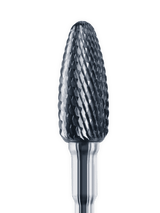
Model Trimming Burs for Plaster & Stone
Dental Lab Burs for Model Making are specialized rotary tools engineered to trim, shape, and refine dental casts, stone models, and 3D printed materials with precision and repeatability. Whether you are working in a high-volume production environment or a boutique dental laboratory, selecting the correct bur type is fundamental to achieving accurate, well-finished models.
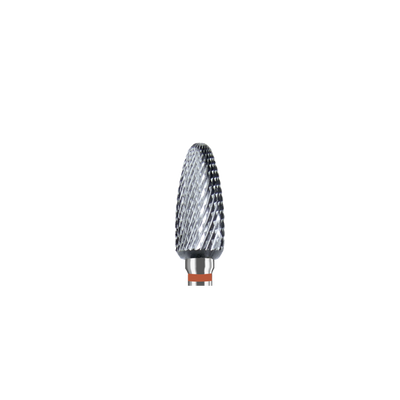
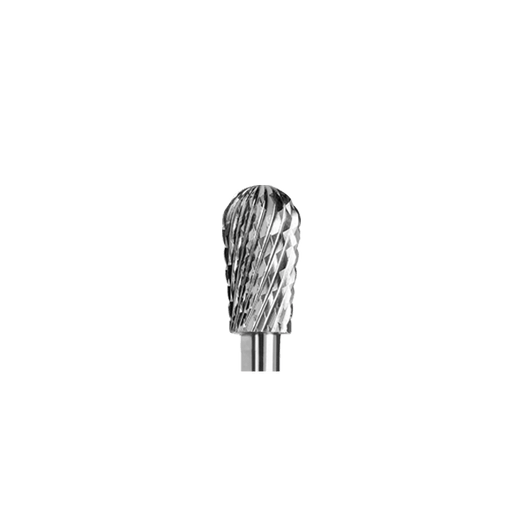

Busch & Co. GmbH
Busch Carbide Bud Round Cutter | Busch No. 424X 040 – Crosscut – HP | Pack of 1
Regular price $30.99Unit price-
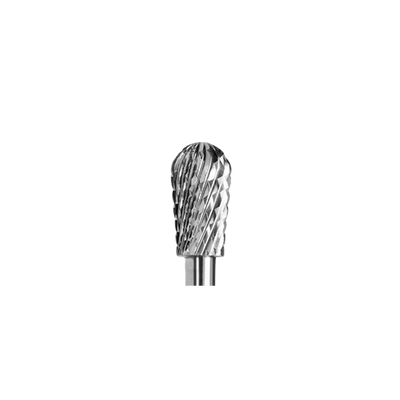
Busch & Co. GmbH
Busch Carbide Round Cutter | Busch No. 421 050 – HP | Pack of 1
Regular price $29.99Unit price -
Busch & Co. GmbH
Regular price $19.99Unit price -
Busch & Co. GmbH
Regular price $40.99Unit price -
Busch & Co. GmbH
Regular price $40.99Unit price -
Busch & Co. GmbH
Regular price $36.99Unit price -
Busch & Co. GmbH
Regular price $36.99Unit price -
Busch & Co. GmbH
Busch Steel Twist Drill | Busch No. 203 019 – HP | Pack of 6
Regular price $21.99Unit price -
Busch & Co. GmbH
Busch Steel Twist Drill | Busch No. 203 010 – HP | Pack of 6
Regular price $21.99Unit price -
Busch & Co. GmbH
Busch Steel Twist Drill | Busch No. 203 008 – HP | Pack of 6
Regular price $21.99Unit price -
Busch & Co. GmbH
US No. 4SXM Busch Carbide Round Bur | Busch No. 1SXM 014 – SXM-Cut – HP | Pack of 2
Regular price $22.99Unit price -
Busch & Co. GmbH
US No. 8 Busch Steel Round Bur | Busch No. 1 023 – HP | Pack of 6
Regular price $17.99Unit price -
Busch & Co. GmbH
US No. 4 Busch Steel Round Bur | Busch No. 1 014 – HP | Pack of 6
Regular price $17.99Unit price -
Busch & Co. GmbH
US No. 3 Busch Steel Round Bur | Busch No. 1 012 – HP | Pack of 6
Regular price $17.99Unit price -
Busch & Co. GmbH
Busch Carbide Round Bur | Busch No. 1 003 – HP | Pack of 6
Regular price $46.99Unit price -
Busch & Co. GmbH
Busch Shorties Carbide Taper (Cone) Round Bur | Busch No. S 433X 023 – HP | Pack of 2
Regular price $29.99Unit price


Reference pages already linked from this collection, in one place.
Which Model Making Lab Bur Do You Need?
Start with the material of the instrument, then open the matching sub-collection; the complete list of Busch numbers by instrument type follows further down the page.
Carbide burs and cutters6 items
| Category | What it covers |
|---|---|
| Dental Lab Carbide Bur Collection | HP carbide burs and cutters: round, fissure, inverted cone, bud, flame, pear and more |
| Double Cut (Crosscut) Carbide Cutters | carbide cutters in coarse to super-fine double-cut toothings |
| Carbide Flame Cutters for Dental Labs | flame-shaped carbide cutters |
| Left-Handed Carbide Cutters | left-hand cut carbide cutters |
| MIDI Carbide Burs | compact MIDI carbide burs |
| SHORTIE Carbide Burs | short-shank SHORTIE carbide burs |
Steel burs2 items
| Category | What it covers |
|---|---|
| Dental Lab Steel Bur Collection | HP steel burs, cutters, wheels and twist drills |
| Dental Lab Economy Steel Burs | economy (non-carbide) steel burs |
Diamond burs and discs4 items
| Category | What it covers |
|---|---|
| DiaTwister Lab Burs | DiaTwister diamond burs |
| HP Dental Lab Diamond Burs | HP diamond lab burs |
| Dental Lab Diamond Disc & Saw Burs | diamond discs |
| 911PS for Plaster Models | the 911PS disc for plaster models |
Materials and Construction
The main material technologies in Dental Lab Burs for Model Making are tungsten carbide, steel and diamond. Tungsten carbide burs deliver aggressive, clean cuts through plaster and acrylic materials, maintaining a sharp edge across extended use cycles. Steel burs, cutters and twist drills are an economical choice for plaster and acrylic work.
Diamond instruments, including the DiaTwister burs and diamond discs, are the choice when refining 3D printed resins, as their abrasive surface removes material gradually without generating the heat buildup or mechanical stress that can cause model deformation or cracking.
Choosing the Right Bur
Matching the correct Dental Lab Burs for Model Making to each substrate ensures longer tool life, reduced heat transfer, and superior surface quality. Carbide burs are best suited for harder gypsum products and acrylics, while diamond burs excel on softer, photopolymer-based prints. Grit selection, shank type, and geometry should all be considered relative to the handpiece or micromotor being used.
Find a Model Making Lab Bur by Busch Number
Every product currently in this collection, grouped by instrument type. Open a group and select a Busch number to see the full specification.
Carbide burs, saws and wheels (107)27 items
Carbide cutters (82)21 items
MIDI carbide burs (18)5 items
SHORTIE carbide burs (32)8 items
Steel burs, cutters and twist drills (118)30 items
DiaTwister burs (10)3 items
Clinical Use
These HP carbide, steel and diamond instruments are used in the laboratory to trim, shape and detail plaster and stone models, acrylic bases and trays, and 3D printed resin models. The existing list of applications follows.
Typical applications
- Trimming and contouring plaster and stone dental casts
- Shaping acrylic model bases and trays
- Refining and detailing 3D printed resin models
- Removing excess material from die stone preparations
- Surface finishing prior to articulation or scanning
Care and Reconditioning
Clean, disinfect and sterilize the burs, abrasives and polishers between uses following the manufacturer instructions, and replace an instrument once it loses cutting or polishing performance or shows damage. Our Dental Bur Reprocessing & Sterilization Guide covers the workflow for Busch rotary instruments; maximum speeds are in the Dental Bur Speed Chart.
Compare With
Related Busch collections: Dental Lab Burs for Model Casting, Dental Lab Burs for Plastics Technology, Dental Lab Carbide Bur Collection, Dental Lab Steel Bur Collection, and Busch Dental Lab Bur Collection.
Reference resources: Bur Comparison Chart · Speed Chart · Color Coding & ISO Guide · Glossary

FAQ
What is the difference between carbide and diamond burs for model making?
Carbide burs cut through hard materials such as plaster and acrylic efficiently, whereas diamond burs abrade softer materials like 3D printed resins without excessive heat generation.
Can these burs be used with any dental handpiece?
Compatibility depends on shank type and size; always verify the shank specification against your handpiece or micromotor before use.
Is this part of a larger dental lab bur range?
Yes — see the full Busch Dental Lab Bur Collection for carbide, steel, and diamond options alongside these model-making burs.