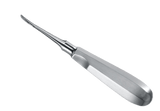
Freer Periosteal Elevator Collection
The Freer Periosteal Elevator is a precision surgical instrument engineered for delicate flap elevation and atraumatic tissue reflection in periodontal, implant, and microsurgical procedures. Manufactured by Helmut Zepf GmbH in Germany, every instrument in this collection is crafted from premium surgical stainless steel — fully autoclavable, corrosion-resistant, and finished with smooth, finely tuned edges for exceptional clinical control.


Helmut Zepf GmbH
Freer Elevator/Curette #2 - Tips 5.5 mm, Diameter 8 mm | Helmut Zepf No. 41.864.02
Regular price $118.99Unit price-
Helmut Zepf GmbH
Freer Elevator/Curette #1 - Tips 4 mm, Diameter 8 mm | Helmut Zepf No. 41.864.01
Regular price $118.99Unit price


Reference pages already linked from this collection, in one place.
Which Freer Periosteal Elevator Do You Need?
Pick the tip width by Zepf number; both Freer instruments in the collection are linked below.
Freer elevator/curettes2 items
Premium Freer Periosteal Elevator Collection
The collection holds the two Helmut Zepf Freer Elevator/Curettes in ZEPF Design: the #1 with 4 mm tips and the #2 with 5.5 mm tips, both with an 8 mm diameter. Choose the #1 for narrower sites and the #2 where a wider working tip is wanted.
Why Choose Zepf Freer Periosteal Elevator Instruments?
- Dual-Ended Versatility — Sharp end for initial periosteal separation; blunt end for gentle reflection and retraction
- Ultra-Delicate Design — Engineered for thin, fragile tissues without causing trauma
- Excellent Tactile Feedback — Superior control and precision under magnification, including loupes and microscopes
- Ergonomic Balance — Lightweight and comfortable for extended microsurgical procedures
Ideal For
Periodontists, implantologists, and cosmetic dentists who require fine, delicate instruments for high-aesthetic and microsurgical soft tissue work will find both versions in this collection purpose-built for their discipline. Whether you need the narrower #1 or the wider #2, DeutscheDT.com stocks authentic Helmut Zepf instruments with fast shipping from Germany and a US warehouse.
History: Who Invented the Freer Periosteal Elevator?
The elevator bears the name of Otto Freer (1857–1932), a Chicago laryngologist known in his day by the nickname "Tiger" for his restless inventiveness in the operating room.
Freer designed his double-ended elevator by borrowing directly from dental instrument patterns of the era, adapting their fine, blunt-and-sharp tip geometry for atraumatic separation of periosteum and mucosa during nasal septum surgery.
That same dual-ended logic — one end to initiate separation, the other to reflect tissue gently — is why the pattern translated so cleanly from ENT surgery into periodontal and implant flap work, where the Helmut Zepf Freer Elevator/Curette #1 and #2 serve the same role today.
Clinical Use
The Freer Periosteal Elevator is the instrument of choice across a broad range of demanding clinical scenarios:
- Aesthetic zone flap elevation
- Papilla preservation techniques
- Connective tissue grafting
- Sinus membrane procedures
- Minimally invasive periodontal surgery
- Implant uncovering in delicate areas
Care and Reconditioning
Clean, disinfect and sterilize the Freer elevator/curettes between patients like any surgical hand instrument, and inspect the tips for damage before reuse. Our Surgical Instrument Reprocessing & Sterilization Guide covers the general workflow for Helmut Zepf surgical instruments, and our sharpening and reconditioning service restores worn working ends.
Compare With
Related Helmut Zepf collections: Periosteal Elevators, Molt Periosteal Elevator, Micro Periosteal Elevator, Raspatory Surgical Instruments, Papilla Elevator, and Dental Elevators. For pattern names and terminology, see the Dental Elevator Types Guide and the Surgical Instrument Glossary.

FAQ
What is a Freer Periosteal Elevator used for in dentistry?
It is used for atraumatic periosteal and soft tissue elevation, particularly in flap surgery, sinus procedures, and microsurgical applications requiring high precision.
Are these instruments autoclavable?
Yes. All instruments are manufactured from premium surgical stainless steel and are fully autoclavable and corrosion-resistant.
Part of the Dental Elevators & Periosteals hub. See also: Dental Elevator: Essential Tool for Atraumatic Extractions.