
HP Burs | Straight Handpiece & Laboratory
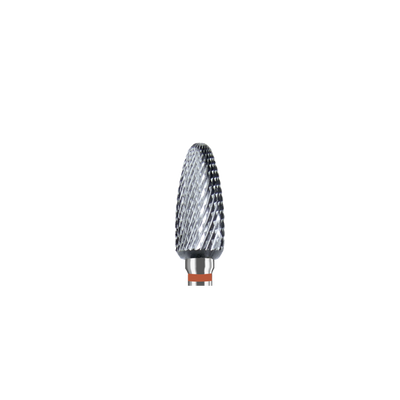
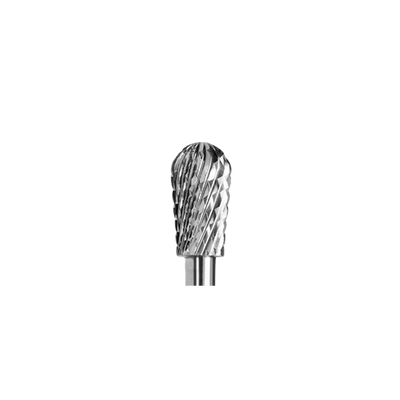
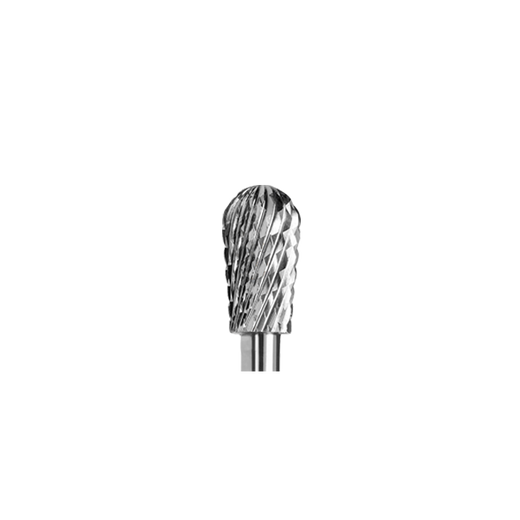
HP burs are rotary instruments on the 2.35 mm plain straight shank for laboratory and slow-speed straight handpieces — the laboratory backbone. This collection gathers Busch’s HP instruments on the 2.35 mm plain shank — carbide cutters in every cut from SGX to FFX, steel burs, diamonds, abrasives, polishers, and mandrels for dental technicians and slow-speed clinical use.
Read more
From wet plaster to titanium, the HP range covers every laboratory material — consult the speed chart below for the recommended RPM by cut type.

Busch & Co. GmbH
US No. 1 1/2 Busch Steel Round Bur | Busch No. 1 009 – HP | Pack of 6
Regular price $17.99Unit price-
Busch & Co. GmbH
US No. 1 Busch Steel Round Bur | Busch No. 1 008 – HP | Pack of 6
Regular price $17.99Unit price -
Busch & Co. GmbH
US No. 1/2 Busch Steel Round Bur | Busch No. 1 006 – HP | Pack of 6
Regular price $17.99Unit price -
Busch & Co. GmbH
US No. 1/4 Busch Steel Round Bur | Busch No. 1 005 – HP | Pack of 6
Regular price $17.99Unit price -
Busch & Co. GmbH
Busch Steel Normal Top Mandrel | Busch No. 303 – HP | Pack of 50
Regular price $60.99Unit price -
Busch & Co. GmbH
Busch Horse Hair Brush | Busch No. 9736 140 – HP | Pack of 6
Regular price $22.99Unit price


Reference pages already linked from this collection, in one place.
Which HP Bur Do You Need?
With several hundred straight handpiece instruments in this collection, start from the material you are working — acrylic, plaster, alloy, ceramic or zirconia — or from the instrument type. Each sub-collection below lists its instruments by Busch number and cut.
By material and instrument type11 items
| Collection | What it holds |
|---|---|
| Dental Lab Carbide Bur Collection | Tungsten carbide cutters for acrylics, alloys and ceramics |
| Double Cut Burs: Busch Crosscut Carbide Cutter Collection | Crosscut (double cut) carbide cutters |
| Carbide Flame Cutters for Dental Labs by Busch | Carbide flame cutters |
| Dental Lab Steel Bur Collection | Steel burs |
| Dental Lab Economy Steel Bur (Non-Carbide) by Busch | Economy steel burs (non-carbide) |
| Dental Lab Diamond Bur Collection | Laboratory diamond burs |
| HP Dental Lab Diamond Burs by Busch | HP diamond burs |
| Longlife Sintered Diamond Lab Burs by Busch | LongLife sintered diamonds |
| Dental Lab Abrasive Discs, Stones & Wheels by Busch | Abrasive discs, stones and wheels |
| Dental Lab Polishers | Laboratory polishers, brushes and buffs |
| Dental Mandrel Collection by Busch | Mandrels |
By laboratory technique6 items
| Collection | What it holds |
|---|---|
| Dental Lab Bur - Plastics Technology Collection | Plastics and acrylic technology |
| Dental Lab Burs - Model Casting Technique | Model casting technique |
| Dental Lab Burs for Model Making Collection | Model making and plaster |
| Dental Lab Burs - Veneer & Ceramic Technology | Veneer and ceramic technology |
| Dental Lab Burs for Metal Alloy Technology by Busch | Metal alloy technology |
| Zirconia Bur and Polisher Collection | Zirconia burs and polishers |
Busch laboratory exclusives7 items
| Collection | What it holds |
|---|---|
| Busch Laboratory Bur Exclusives | KERA, MIDI, SHORTIE, left-handed, DiaTwister and 911PS lines |
| Ceramic Burs: KERA Cutter Collection | KERA ceramic cutters |
| Busch MIDI Carbide Bur Collection | MIDI carbide cutters |
| Busch SHORTIE Carbide Bur Collection | SHORTIE carbide cutters |
| Left Handed Carbide Cutter Lab Burs | Left-handed carbide cutters |
| DiaTWISTER Dental Lab Bur Collection | DiaTWISTER diamonds |
| Precision Technique Burs – HP-SH Short Shank Burs | HP-SH short shank precision technique burs |
Laboratory Use
HP instruments cover the whole bench workflow: steel and carbide cutters for trimming plaster models and acrylic prostheses, crosscut carbides and abrasives for metal alloy frameworks, diamonds and ceramic cutters for veneers and zirconia, and polishers, brushes and buffs for the final finish — and, chairside, the same shank fits slow-speed straight handpieces. Match the cut to the material and run each instrument at the RPM Busch recommends; see our Dental Bur Speed Chart.
Clinical Use
Chairside, the HP shank runs in a slow-speed straight handpiece: the figure 141 and 141A surgical round burs and the 162, 166, 267 and 269 bone cutters on the HP shank are used for bone removal in oral surgery at low speed with irrigation, and the cutters, abrasives and polishers adjust and polish dentures and acrylic appliances. Match the speed to the instrument; see our Dental Bur Speed Chart.
Care and Reconditioning
Laboratory rotary instruments are reusable: clean them after use and store them dry so the cutting surfaces stay sharp. Our Dental Bur Reprocessing & Sterilization Guide covers cleaning and sterilization for Busch rotary instruments.
Compare With
FG Burs | Friction Grip High-Speed · RA Burs | Latch-Type Contra-Angle · Busch Dental Lab Bur Collection · Bur Comparison Chart · Dental Bur Glossary
Reference resources: Bur Comparison Chart · Speed Chart · Color Coding & ISO Guide · Glossary

FAQ
What does HP mean on a bur?
Handpiece — the 2.35 mm plain straight shank for laboratory and slow-speed straight handpieces; Busch lab designations HST and PM use the same format.
Are HP and RA shanks interchangeable?
Both are 2.35 mm, but RA adds a latch groove; HP instruments have no latch groove and seat in straight handpiece chucks, RA instruments lock into latch-type contra-angles, and FG (1.6 mm) fits neither.
Where are these instruments made?
Every instrument in this collection is manufactured by Busch & Co. in Engelskirchen, Germany — an ISO 13485-certified specialist in rotary precision instruments since 1905 — and ships fast from our US warehouse.
Further reading: FG vs. RA Shanks Explained: Choosing the Right Bur Shank for High-Speed and Slow


