Best Forceps for Lower Molar Extraction
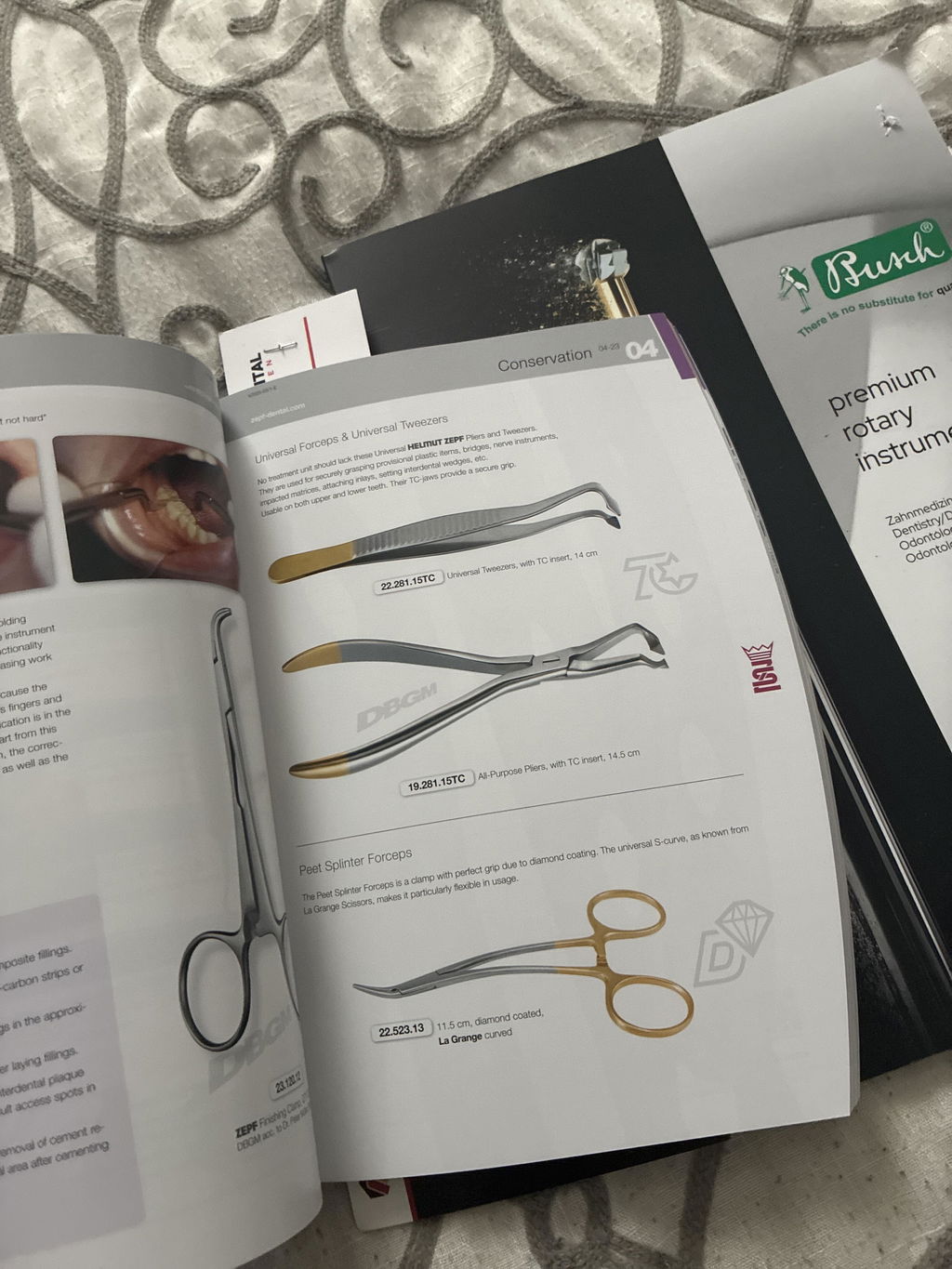
The Best Forceps for Lower Molar Extraction in this curated collection are manufactured by Helmut Zepf, a trusted name in German precision dental instrumentation. Lower molar extraction forceps are specifically engineered to remove lower molars, which typically feature two roots — mesial and distal. Their beaks are oriented perpendicular (at approximately 90°) to the handles, enabling proper access and controlled downward, lingual, and buccal force application within the mandible.
Lifetime Warranty
Every dental extraction forcep in this collection is backed by a Lifetime Warranty covering defects in materials and workmanship for the life of the instrument. This coverage is exclusive to the Helmut Zepf dental extraction forcep category.
Key Differences from Upper Molar Forceps
Upper molar forceps feature beaks that run parallel to the handles to facilitate upward force, and they often come in side-specific (left/right) designs to accommodate trifurcated roots. Lower molar forceps, by contrast, use universal or cowhorn patterns suited to bifurcated root anatomy. Common patterns include #17 (universal), #23 (cowhorn), and #222 (designed for third molars).
Helmut Zepf Lower Molar Forceps
Notable examples from Helmut Zepf include the English Pattern #87 (modified for lower molars), #73A, the TwistEX series (e.g., TwistEX 5 for lower molars with deep-grip technology), the EXLOG RoBa Edition, and cowhorn variants. These instruments are distinguished by German precision manufacturing, ergonomic handle designs — including RoBa and Z-Shape formats — and atraumatic beaks that reduce hand fatigue and enhance tactile feedback during extraction procedures.
What Materials and Features Make Good Lower Molar Forceps?
- Surgical stainless steel construction with serrated or diamond-coated beaks for secure grip
- Ergonomic American or English pattern handles — English patterns are often preferred for leverage
- Autoclavable and durable construction; select Zepf lines include lifetime guarantees (e.g., the Rescue Line)
- Innovations such as deep-grip and RoBa beaks for minimally invasive, atraumatic extractions
Choosing the Right Forceps
Selecting the Best Forceps for Lower Molar Extraction requires consideration of root anatomy, patient size, and ergonomic preference. Avoid common errors such as using upper forceps patterns on lower teeth, poor apical seating that risks crown fracture, applying excessive force rather than controlled leverage, or skipping pre-loosening steps.

FAQ
Are there specialized forceps for difficult cases such as fractured roots, pediatrics, or third molars? Yes. Options include root tip forceps, the Rescue Line by Zepf for fractured roots, pediatric mini cowhorn (#23 pediatric), #222 for third molars, and diamond-coated forceps for improved grip on compromised teeth.
How do I maintain quality lower molar forceps? Inspect hinges and beaks regularly and lubricate as needed. Follow proper autoclaving protocols and avoid corrosive cleaning agents. Select instruments based on tooth anatomy, patient size, and ergonomic requirements — premium German instruments like those by Zepf minimize slippage and improve clinical outcomes.
Are these forceps compatible with standard sterilization protocols? Yes. Instruments in this collection are constructed from surgical-grade stainless steel and are fully compatible with standard autoclave sterilization cycles.
Are these forceps covered by a warranty? Yes. Each of the forceps in this collection comes with a no-hassle 60-day return policy and a lifetime warranty, making them a confident long-term investment for any practice seeking the Best Forceps for Lower Molar Extraction.

Helmut Zepf GmbH
Cowhorn Extraction Forceps, #23, Lower Molars | Helmut Zepf No. 14.023.50
Regular price $229.99Unit price-
Helmut Zepf GmbH
Regular price $244.99Unit price -
Helmut Zepf GmbH
Regular price $294.99Unit price -
Helmut Zepf GmbH
Regular price $299.99Unit price -
Helmut Zepf GmbH
Regular price $294.99Unit price -
Helmut Zepf GmbH
Cowhorn Extraction Forceps, #23, Lower Molars | Helmut Zepf No. 14.023.00
Regular price $229.99Unit price -
Helmut Zepf GmbH
Regular price $299.99Unit price -
Helmut Zepf GmbH
Regular price $299.99Unit price -
Helmut Zepf GmbH
Regular price $299.99Unit price -
Helmut Zepf GmbH
Extraction Forceps, American Pattern, #222, Lower Third Molars | Helmut Zepf No. 14.222.00
Regular price $229.99Unit price -
Helmut Zepf GmbH
Extraction Forceps, American Pattern, #217, Lower Molars | Helmut Zepf No. 14.217.00
Regular price $229.99Unit price -
Helmut Zepf GmbH
Regular price $329.99Unit price -
Helmut Zepf GmbH
Regular price $269.99Unit price -
Helmut Zepf GmbH
Regular price $229.99Unit price -
Helmut Zepf GmbH
Regular price $299.99Unit price -
Helmut Zepf GmbH
Regular price $244.99Unit price