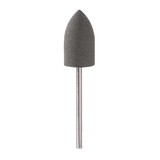
Dental Laboratory Polishing Soft Buff Wheels by Busch
Dental Laboratory Polishing Soft Buff Wheels by Busch bring together the buffs, brushes and polishing paste used for the final high-gloss step in the professional laboratory: cotton, chamois, cambric, microfiber and aluminum oxide buffs, goat hair, horse hair and Chungking bristle brushes, and a diamond polishing paste. Designed for precision surface finishing, these buffs, brushes and paste deliver consistent performance across a range of dental materials including acrylics, composites, metals, and porcelain.


Busch & Co. GmbH
Busch Cotton Aluminum Oxide Buff | Busch No. 9544F 220 – Pink, Fine | Pack of 6
Regular price $31.99Unit price-
Busch & Co. GmbH
Busch Goat Hair Brush | Busch No. 9638 190 | Pack of 12
Regular price $28.99Unit price -
Busch & Co. GmbH
Busch Goat Hair Brush | Busch No. 9738 220 – HP | Pack of 6
Regular price $22.99Unit price -
Busch & Co. GmbH
Busch Goat Hair Brush | Busch No. 9738 140 – HP | Pack of 6
Regular price $22.99Unit price -
Busch & Co. GmbH
Busch Horse Hair Brush | Busch No. 9736 140 – HP | Pack of 6
Regular price $22.99Unit price -
Busch & Co. GmbH
Busch Chungking Bristle Brush | Busch No. 9636 190 | Pack of 12
Regular price $28.99Unit price -
Busch & Co. GmbH
Busch Cambric Polishing Buff (Fine Nettle Cloth) | Busch No. 9641 220 | Pack of 12
Regular price $40.99Unit price -
Busch & Co. GmbH
Busch Diamond Polishing Paste | Busch No. 9646 | Pack of 1
Regular price $71.99Unit price -
Busch & Co. GmbH
Busch Microfiber Polisher | Busch No. 9644 250 – HP | Pack of 6
Regular price $26.99Unit price -
Busch & Co. GmbH
Busch Cotton Polishing Buff | Busch No. 9643 220 | Pack of 12
Regular price $38.99Unit price -
Busch & Co. GmbH
Busch Chamois Polishing Buff | Busch No. 9642 220 | Pack of 12
Regular price $40.99Unit price -
Busch & Co. GmbH
Busch Cotton Aluminum Oxide Buff | Busch No. 9544M 220 – Green, Medium | Pack of 6
Regular price $31.99Unit price


Reference pages already linked from this collection, in one place.
Which Polishing Buff or Brush Do You Need?
Pick buffs and cloth wheels for high-gloss polishing with compound, brushes for working paste into contours, then the Busch number; every active product in the collection is linked once below.
Buffs and cloth wheels6 items
| Busch No. | Pattern or size |
|---|---|
| 9544F 220 | Cotton Aluminum Oxide Buff · Pink, Fine · pack of 6 |
| 9544M 220 | Cotton Aluminum Oxide Buff · Green, Medium · pack of 6 |
| 9641 220 | Cambric Fine Nettle Cloth Polisher · pack of 12 |
| 9642 220 | Chamois Polishing Buff · pack of 12 |
| 9643 220 | Cotton Polishing Buff · pack of 12 |
| 9644 250 | Microfiber Polisher · HP · pack of 6 |
Polishing brushes5 items
Polishing paste1 items
| Busch No. | Pattern or size |
|---|---|
| 9646 | Diamond Polishing Paste · pack of 1 |
What Are Dental Laboratory Polishing Soft Buff Wheels?
Dental Laboratory Polishing Soft Buff Wheels are soft, flexible abrasive or polishing wheels used in conjunction with polishing compounds and bench lathes or handpiece motors. Their pliable construction allows them to conform to contoured surfaces, making them ideal for polishing anatomically shaped restorations without flattening delicate detail work.
The polishing brushes work polishing paste into contours, and the Busch Diamond Polishing Paste No. 9646 is used with the buffs and brushes for the final high-gloss finish.
Key Features and Benefits
- Soft, Flexible Material: Adapts to curved and irregular surfaces for thorough, even polishing.
- High-Gloss Results: Produces a professional mirror-like finish on a variety of dental substrates.
- Versatile Compatibility: Suitable for use with most standard dental laboratory polishing compounds and lathes.
- Durable Construction: Maintains shape and performance across extended use in high-demand laboratory settings.
- Available in Multiple Sizes: Select the appropriate diameter and thickness for your specific application and equipment.
Clinical Use
These buffs, brushes and polishing paste are commonly used for final-stage polishing of full and partial dentures, crowns, bridges, orthodontic appliances, and removable prosthetics. When used with appropriate polishing pastes or compounds, the buffs and brushes help technicians achieve the refined surface quality expected in modern dental restorations.
Care and Reconditioning
Keep laboratory abrasives, polishers and wheels clean and dry, check them for wear or damage before use, and replace them once they lose performance or run out of true; follow the manufacturer instructions and the symbols on each package. Our Dental Bur Reprocessing & Sterilization Guide covers Busch rotary instruments; maximum speeds are in the Dental Bur Speed Chart.
Compare With
Related Busch collections: Prosthesis Polishers, 3 Step Dental Laboratory Polishers for Acrylic, Dental Polishing Brushes, Dental Laboratory Lathe Wheels, Universal Dental Laboratory Pre-Polishers, and Dental Polisher Collection. Reference pages: Bur Glossary · Speed Chart.

FAQ
What materials can be polished with these wheels?
They are suitable for acrylics, thermoplastics, metals, and composite materials commonly used in dental laboratory workflows.
What equipment is required?
These wheels are designed for use with standard dental laboratory lathes or appropriate rotary handpiece motors operating at recommended RPM speeds.
How do I maintain the wheels?
Clean the wheel periodically to remove compound buildup and inspect for wear. Replace when the material becomes excessively worn or deformed to maintain optimal finishing results.