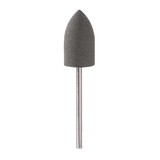
Universal Dental Laboratory Pre-Polishers by Busch
Universal Dental Laboratory Pre-Polishers are precision-engineered abrasive tools designed to prepare dental restorations, prosthetics, and appliances for their final polish. Manufactured by Busch — a name long trusted by dental technicians worldwide — these pre-polishers deliver consistent, controlled material removal that smooths surfaces and eliminates machining marks before the finishing stage begins.


Busch & Co. GmbH
Busch Disc Polisher | Busch No. 9603G 220 – White, Coarse Grit | Pack of 12
Regular price $18.49Unit price-
Busch & Co. GmbH
Busch Wheel Polisher | Busch No. 9602G 220 – White, Coarse Grit | Pack of 12
Regular price $18.49Unit price -
Busch & Co. GmbH
Busch Flame Polisher | Busch No. 9706G 055 – White, Coarse Grit – HP | Pack of 6
Regular price $20.99Unit price -
Busch & Co. GmbH
Busch Wheel Polisher | Busch No. 9702G 145 – White, Coarse Grit – HP | Pack of 6
Regular price $20.99Unit price


Reference pages already linked from this collection, in one place.
Which Universal Pre-Polisher Do You Need?
All four are white, coarse-grit pre-polishers; pick the shape for the surface you are working on. Every active product in the collection is linked once below.
White coarse-grit universal pre-polishers4 items
| Busch No. | Pattern or size |
|---|---|
| 9602G 220 | wheel polisher · size 220 · white, coarse grit · pack of 12 |
| 9603G 220 | disc polisher · size 220 · white, coarse grit · pack of 12 |
| 9702G 145 | wheel polisher · size 145 · white, coarse grit · HP · pack of 6 |
| 9706G 055 | flame polisher · size 055 · white, coarse grit · HP · pack of 6 |
What Are Pre-Polishers Used For?
In a dental laboratory workflow, pre-polishing is the critical step between initial shaping and high-gloss finishing. Universal Dental Laboratory Pre-Polishers are suitable for use on a wide range of materials commonly encountered in the lab, including acrylics, composite resins, ceramics, and various metals. Their versatility makes them an essential part of any technician's toolkit, reducing the number of steps required to achieve a refined surface.
Key Features
- Consistent abrasion: Engineered for uniform stock removal across different substrate materials.
- Versatile compatibility: Suitable for acrylics, composites, ceramics, and base metals.
- Busch quality: Manufactured to tight tolerances by a renowned German tooling specialist.
- Time-saving: Streamlines the pre-polish stage, reducing overall finishing time in the laboratory.
- Range of shapes: Available in multiple profiles to access contoured and hard-to-reach areas of dental restorations.
Why Choose Busch Universal Dental Laboratory Pre-Polishers?
Busch has built a strong reputation for producing high-quality rotary instruments for dental laboratories. Their Universal Dental Laboratory Pre-Polishers reflect this commitment through consistent performance, durable construction, and reliable results. Whether working on full-arch prosthetics, individual crowns, or partial frameworks, these tools help technicians achieve smooth, prep-ready surfaces efficiently.
Clinical Use
These are the first, coarse stage of a laboratory polishing sequence: they remove grinding marks on metals, acrylics, ceramics and veneering materials before finer polishers are used. The 9702G wheel and 9706G flame carry an HP shank for the straight laboratory handpiece; the 220-size 9602G wheel and 9603G disc are large-diameter laboratory polishers.
Care and Reconditioning
Clean, disinfect and sterilize the pre-polishers between uses following the manufacturer instructions and the symbols on each package, and replace a polisher once it is worn down or no longer polishes evenly. Our Dental Bur Reprocessing & Sterilization Guide covers the workflow for Busch rotary instruments; maximum speeds are in the Dental Bur Speed Chart.
Compare With
Related Busch collections: Universal Pre-Polishers by Busch, Dental Lab Polishers, 3 Step Laboratory Polishers for Acrylic, 2 Step Laboratory Polishers for Metal Alloys, Pre-Polishers for Model Casting, and Polishing Soft Buff Wheels. For speeds, see the Dental Bur Speed Chart.

FAQ
What materials are these pre-polishers compatible with?
Universal Dental Laboratory Pre-Polishers are designed for use on a broad range of dental materials, including acrylics, composites, ceramics, and metals.
Are these tools suitable for all rotary handpieces?
These pre-polishers are manufactured to standard shank specifications commonly used in dental laboratory handpieces. Always verify shank compatibility with your specific equipment before use.
At what speed should they be used?
Follow the manufacturer's recommended RPM guidelines for each specific pre-polisher shape and material combination to achieve optimal results and maximise tool life.