Dental Instrument Sharpening: When, How and Which Instruments Can Be Re-Tipped

- Dull testa sharp edge catches and shaves an acrylic test stick; a dull edge slides across it
- Chairsidelubricated Arkansas or ceramic stone at the original face angle (about 70–80° for curettes), short light strokes
- Graceysfollow the curved lower shank and avoid over-rounding the toe, which changes how the blade tracks the root
- Sharpen vs re-tipsharpen when the shape is intact; re-tip when the working end is cracked, chipped or out of contour
- QuickFix exceptionon Zepf QuickFix handles, worn hygiene tips are unscrewed and replaced instead
Sharp dental instruments cut cleanly, need less force, and protect soft tissue — but every hand instrument eventually goes dull, and not every worn edge can be restored with a stone alone. Dental instrument sharpening keeps curettes, scalers, and surgical instruments performing like new.
Knowing when to sharpen chairside, how to do it correctly, and which instruments can be re-tipped instead of simply resharpened saves time, protects your investment, and prevents tissue trauma from a dull edge.
This guide covers the warning signs, basic technique, and re-tipping candidates, plus where to turn for professional help. See the full Instrument Repair, Sharpening & Reconditioning Service for factory-certified sharpening and re-tipping.
How do you sharpen dental instruments, and which can be re-tipped?
Sharpen chairside with a lubricated Arkansas or ceramic stone held at the instrument's original face angle, using short, light strokes, then test the edge on an acrylic test stick. An instrument that still holds its shape but has lost its edge is a sharpening job; one whose working end is cracked, chipped or worn out of contour is a re-tipping job, which replaces the working end. Curettes, scalers and needle holders are the usual re-tipping candidates.
When Dental Instruments Need Sharpening
A dull instrument is easy to miss until it starts costing you chair time. The most reliable check is a tactile one: draw the edge across a test probe or acrylic rod — a sharp edge catches and shaves a fine sliver, while a dull edge slides across the surface. Other signs include needing noticeably more lateral pressure to remove calculus, burnished (shiny) facets on the cutting edge, and patients reporting more discomfort during scaling than usual. Instruments used daily, such as universal curettes and scalers, need a touch-up sharpening long before they feel dull at chairside.
How to Sharpen Dental Instruments Chairside
Chairside sharpening is fastest with a fine or medium Arkansas or ceramic stone lubricated with a dedicated sharpening oil — dry stones load with metal swarf and cut unevenly. Hold the stone (or the instrument, depending on technique) so the stone's face meets the instrument's face at roughly the original internal angle, typically 70-80 degrees for curettes, and use short, even strokes rather than heavy pressure. Wipe the edge clean and re-test with a probe before returning the instrument to your cassette. Explore the full Sharpening Accessories collection for stones, oils, and testing tools sized for chairside use.
Best for: lubricating Arkansas and ceramic stones during routine touch-ups — Sharpening Oil (10 ml) for original ZEPF and Arkansas stones.
Curette Sharpening: Technique Basics
Curettes are the instrument most practices sharpen most often, and the technique differs slightly by design. Gracey curettes have an offset blade with only one cutting edge active per face, so the stone must follow the curved lower shank rather than a flat plane; sharpening the wrong edge or over-rounding the toe changes how the instrument tracks the root surface. Universal curettes, which cut on both sides of the blade, are more forgiving but still require consistent angle control to avoid flattening the face. Standardizing on one curette pattern per procedure makes sharpening angle memorization easier for hygienists and reduces edge inconsistency across a set.
Best for: practices standardizing on a consistent, color-coded curette pattern for anterior scaling — the Gracey Special Curette (GRA 1/2).
Which Instruments Can Be Re-Tipped
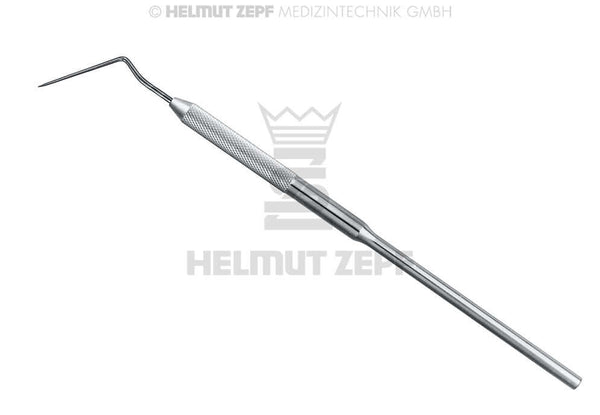
Sharpening removes a small amount of metal to restore an edge — it cannot fix an instrument whose working end is cracked, chipped, badly pitted, or worn down past its original contour. That is where re-tipping comes in: a factory-certified technician removes and replaces the damaged working end, restoring the original geometry rather than just the edge. Curettes, scalers, and needle holders with worn or slipping jaws are common re-tipping candidates, as are periodontal instruments that have been sharpened repeatedly over several years until the blade profile has changed. If an instrument still holds its shape but has lost its edge, a sharpening service is usually sufficient and less costly than a full re-tip.
Hygiene instruments on Helmut Zepf QuickFix handles are the exception: the worn tip is unscrewed and replaced rather than sharpened down or re-tipped. How the system works is on our QuickFix replaceable tips page and in the bIONIK handle article.
Best for: a professional edge restoration on curettes that are dull but structurally sound — the Dental Instrument Sharpening Service – Surgical Curettes.
Best for: needle holders with worn, slipping, or damaged jaws beyond what a stone can correct — the Dental Instrument Retipping Service – Needle Holders.
Chairside Sharpening vs. Professional Service
Not every instrument needs to leave the practice for maintenance, and not every dull edge should be sharpened chairside indefinitely. The table below summarizes when each option applies.
| Option | Key Trait | Best For |
|---|---|---|
| Chairside Stone Sharpening | Fast, low-cost, performed between patients | Routine edge maintenance on curettes and scalers in daily use |
| Professional Sharpening Service | Factory-certified equipment, preserves original geometry | Instruments dulled beyond a quick chairside touch-up |
| Re-Tipping Service | Replaces the entire worn or damaged working end | Instruments too worn, cracked, or misshapen to safely resharpen |
FAQs
How often should dental instruments be sharpened?
Check high-use curettes and scalers before every appointment and sharpen as soon as they stop catching cleanly on a test probe.
What is the difference between sharpening and re-tipping?
Sharpening restores an edge by removing a small amount of metal along the existing blade contour. Re-tipping replaces the entire working end when the original tip is cracked, pitted, or worn past the point where sharpening can restore its shape.
Can all dental instruments be re-tipped?
Most curettes, scalers, needle holders, and similar hand instruments from major manufacturers can be re-tipped, but a technician needs to inspect the instrument first — some are too far gone to safely re-tip and are better replaced.
What stone should I use for routine curette sharpening?
A medium to fine grit Arkansas or ceramic stone, used with a compatible lubricating oil, is sufficient for routine maintenance. Coarser stones are reserved for instruments with significant edge damage.
How do I know if my instrument needs sharpening versus re-tipping?
Run the edge across a test probe. If it catches cleanly but feels slightly less crisp than new, a chairside sharpening is enough. If the tip is visibly chipped, bent, or has lost its original contour, send it out for a professional evaluation.
Do I need to sterilize instruments before sending them for sharpening or re-tipping?
Yes. Instruments should be sterilized before shipping to any outside service. See our Sterilization & Instrument Care hub for reprocessing guidance.