Hemostat vs Needle Holder: How to Tell Them Apart and Why They Are Not Interchangeable

- Tell them aparthemostats have long jaws with transverse serrations; needle holders have short, crosshatched jaws
- Hemostat as holderthe needle twists in transverse serrations, you lose control of the arc, and jaws wear
- Holder as hemostatthe short crosshatched jaw crushes more tissue than needed and cannot reach into sockets
- Naming trapa Crile is a hemostat, a Crile-Wood is a needle holder; check the jaw description or catalog number
- PicksKelly curved 23.099.14 to clamp; Mayo-Hegar 41.256.16, Crile-Wood 41.252.15TC or Castroviejo 41.200.17TC to suture
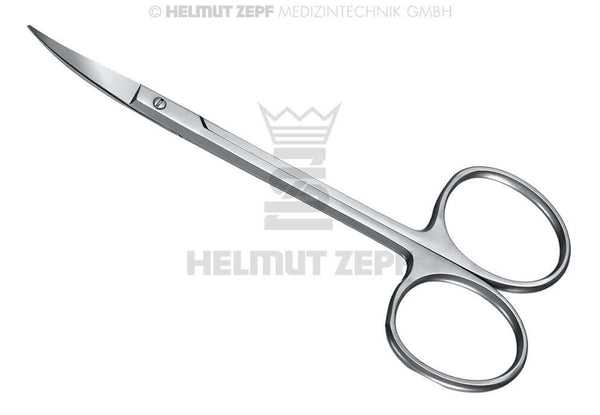
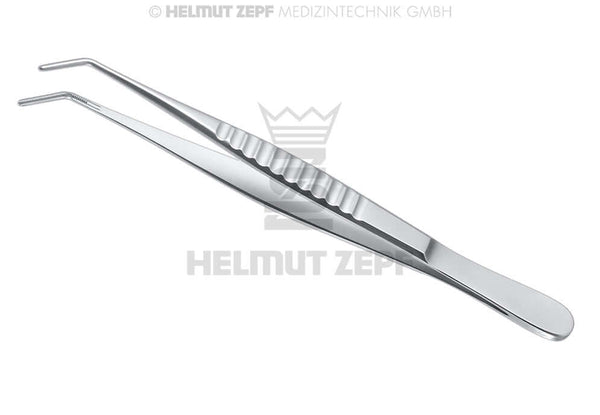
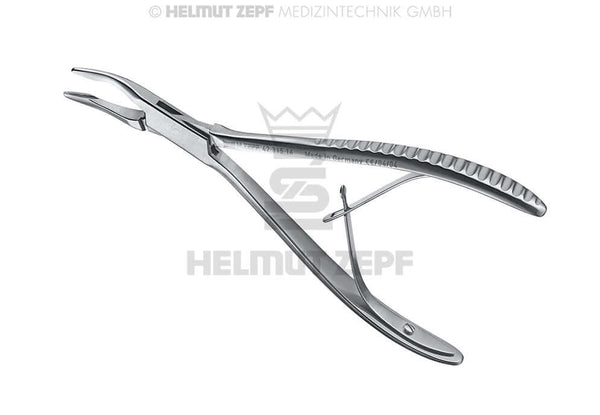
A hemostat vs needle holder mix-up happens on surgical trays every day: both are ring-handled, both lock with a ratchet, and from a few feet away they look nearly identical. But they are built for opposite jobs. A hemostat clamps tissue and vessels; a needle holder grips a curved suture needle so it cannot turn. Using one in place of the other damages the instrument, the needle or the tissue.
This guide explains how to tell them apart at a glance, why they are not interchangeable, and which Helmut Zepf patterns cover each role in oral surgery.
The Short Answer
Look at the jaws. A hemostat has long, slender jaws with lines running straight across them (transverse serrations). A needle holder has short, broad jaws with a crosshatch or diamond pattern, often on a tungsten carbide insert, and a much higher handle-to-jaw length ratio for grip force.
Hemostat vs Needle Holder: Side-by-Side
| Feature | Hemostat | Needle Holder |
|---|---|---|
| Job | Clamp vessels, hold tissue, grasp ligatures and debris | Hold a curved suture needle steady while it is driven through tissue |
| Jaw length | Long and tapered | Short and stout |
| Jaw surface | Transverse (horizontal) serrations, on the distal half or full length | Crosshatch or diamond pattern, often on a tungsten carbide insert |
| Grip force | Moderate, spread along the jaw | High, concentrated at a short jaw for a no-slip hold |
| Lock | Box lock with ratchet | Box lock with ratchet, or a spring, Mathieu or spinlock action depending on the pattern |
| Common dental patterns | Kelly, Halstead-Mosquito, Kocher, Rochester-Pean, Hartmann | Mayo-Hegar, Crile-Wood, Mathieu, Castroviejo, Ryder, Derf |
Why You Should Not Use a Hemostat as a Needle Holder
Transverse serrations only resist force in one direction. When a curved needle is pushed through tissue, it twists in the jaws of a hemostat, so the operator loses control of the arc. The long jaw also cannot generate enough force at the tip, and gripping a hard steel needle wears down the serrations that the hemostat needs to clamp tissue securely.
Why You Should Not Use a Needle Holder as a Hemostat
A needle holder's short, crosshatched jaw concentrates force on a small area. Applied to a vessel or a flap edge, it crushes more tissue than it needs to, and the short jaw cannot reach into a socket or around a flap the way a hemostat can. Tungsten carbide inserts are also designed for steel needles, not for repeated clamping on soft tissue.
The Crile vs Crile-Wood Naming Trap
One reason for the confusion is the name Crile. A Crile is a hemostat with full-length transverse serrations. A Crile-Wood is a needle holder with a fine-serrated, short jaw. Ordering by the short name alone is a common way to end up with the wrong instrument, so always check the jaw description or the catalog number.
Hemostats for Oral Surgery

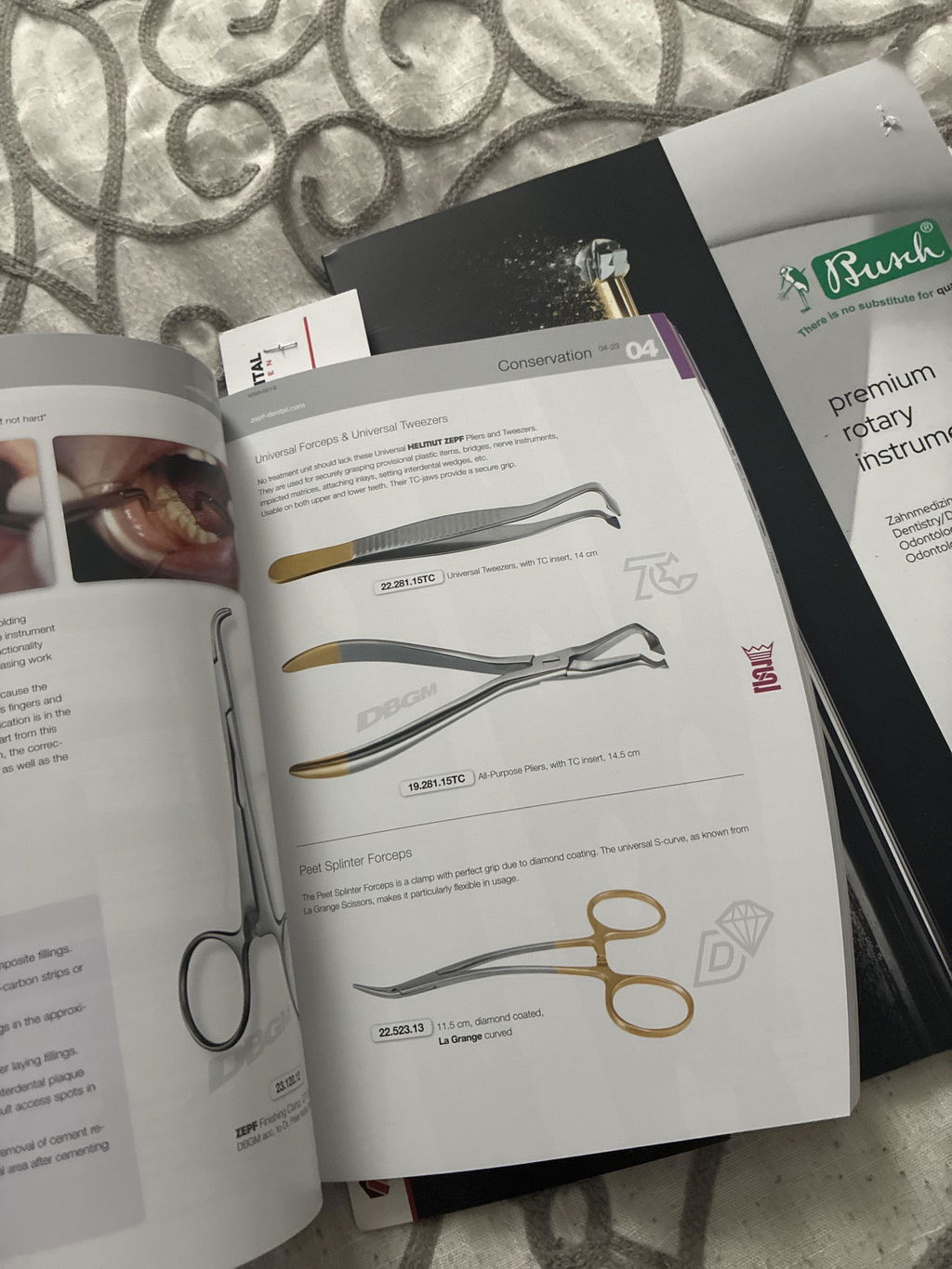
The Kelly Hemostatic Forceps, Curved, 5-1/4" (No. 23.099.14) is the general-purpose clamp for extractions and flap surgery. For fine bleeders and ligatures in a tight field, the Halstead-Mosquito Hemostatic Forceps (No. 23.058.12) has a smaller, finer jaw. Our Kelly vs Mosquito vs Crile hemostat guide compares every pattern, and the full range is in the Hemostatic Forcep Collection.
Needle Holders for Oral Surgery

The Mayo-Hegar Needle Holder, Straight, 16 cm (No. 41.256.16) handles 3-0 and heavier sutures. The Crile-Wood Needle Holder, 15 cm, Tungsten Carbide Jaws (No. 41.252.15TC) covers 4-0 and 5-0, and the Castroviejo Needle Holder, SpinLock (No. 41.200.17TC) is built for 6-0 and 7-0 microsurgical work. See our needle holder comparison for every pattern and our suture size chart for which holder matches which suture. Shop the full Dental Needle Holder Collection.
FAQs
Is a needle driver the same as a needle holder?
Yes. "Needle driver" and "needle holder" are two names for the same instrument.
Can a hemostat be used to hold a suture needle?
Only in an emergency. The transverse serrations let the needle rotate, which makes placement unpredictable and wears the jaws.
How do I tell a hemostat from a needle holder on a tray?
Compare the jaws. Long, thin jaws with lines straight across are a hemostat; short, wide jaws with a crosshatch pattern or a carbide insert are a needle holder.
What is the difference between a Kelly hemostat and a Mayo-Hegar needle holder?
The Kelly has a long jaw with transverse serrations on its distal half for clamping vessels and tissue. The Mayo-Hegar has a short, heavy jaw with crosshatched serrations for gripping a suture needle.
Is there an instrument that holds a needle and cuts suture?
Yes. Combination needle holder scissors put a cutting edge behind the jaws so you can tie and cut without changing instruments; see the Hold-N-Cut micro needle holder scissors.
Are tungsten carbide jaws worth it on a needle holder?
For most practices, yes. Tungsten carbide inserts grip fine needles more securely and outlast plain steel jaws; see the Tungsten Carbide Needle Holder collection.